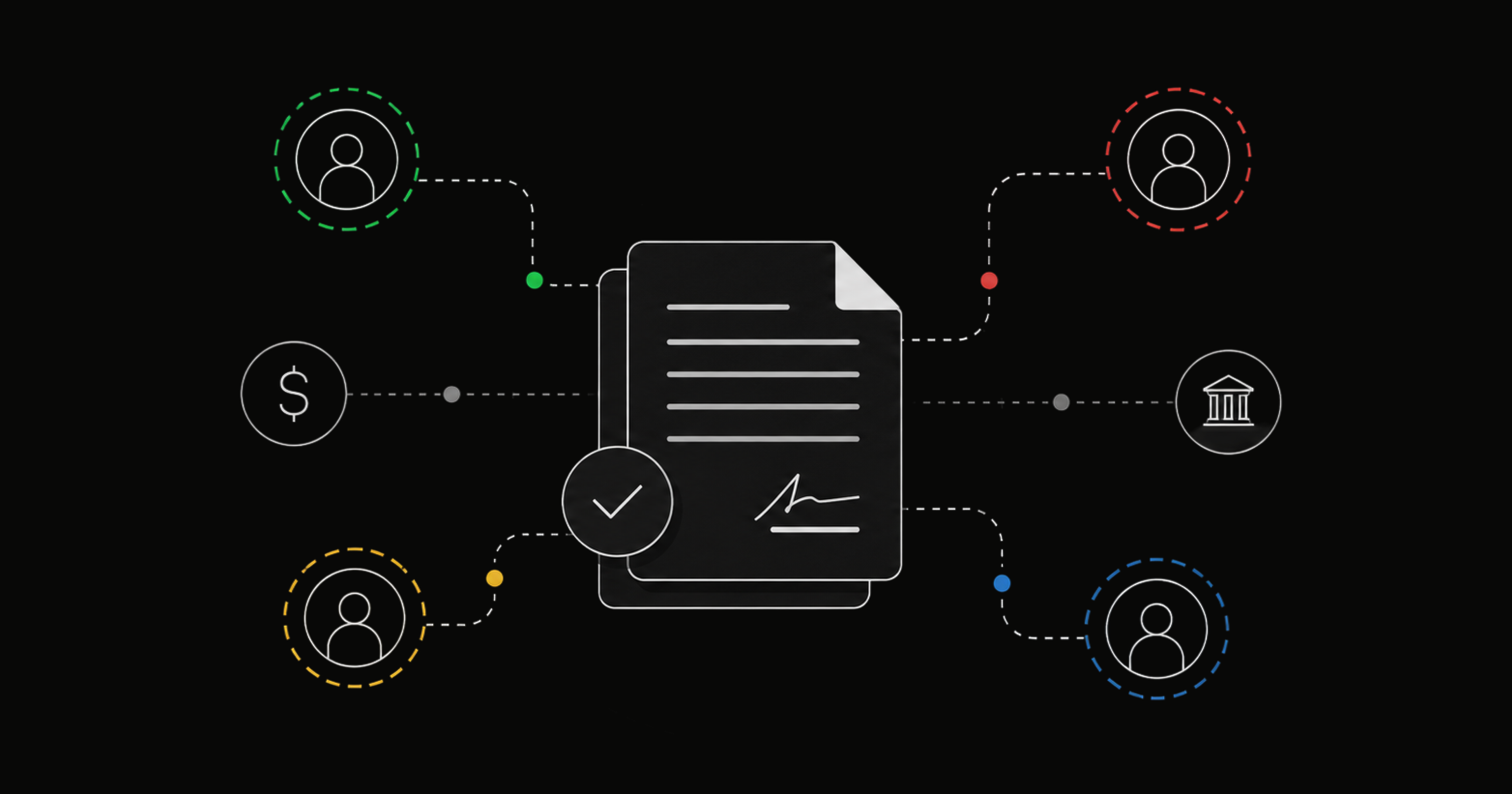
Five Principles for Long-Term BEAD Post-Award Execution
State broadband offices are preparing to manage one of the largest infrastructure compliance efforts ever administered by states. The $42.45 billion BEAD program will span much of the next decade, encompassing planning, competitive subgranting, deployment, and long-term compliance and reporting. States will oversee large portfolios of subgrantees, often at a scale and duration most broadband offices have never managed before.
Program success is largely determined during post-award execution, when states must maintain control, consistency, and compliance as complexity compounds over the next decade.
Where Programs Stall
As states move into multi-year BEAD execution, state broadband offices are taking on a fundamentally different challenge. They are overseeing expanding portfolios of subgrantees under rising oversight demands, overlapping timelines, and increasing federal scrutiny, often at a scale and duration they have never managed before.
Post-award execution operates as an interconnected system. Progress reporting, financial compliance, infrastructure verification, and regulatory oversight all move in parallel. When these elements drift out of sync, risk propagates across the entire program.
Without systematic structure, coordination defaults to manual processes and becomes impossible to sustain over long program durations. Work arrives unevenly. Institutional context erodes as months turn into years. Audit defensibility weakens. Staff turnover creates knowledge gaps. Risk accumulates quietly, often without clear early warning signals.
At the same time, subgrantees are managing construction schedules, equipment procurement, labor availability, and regulatory compliance simultaneously. As BEAD programs scale, the gap between what effective oversight requires and what traditional tools can support widens.
Five Principles for Long-Term BEAD Post-Award Execution
Programs will succeed over BEAD’s decade-long timeline when control is maintained through consistency, continuity, and disciplined execution as scale and scrutiny increases. The following principles reflect the conditions post-award programs need to stay stable as complexity compounds.
1. Create Consistency Across Subgrantees
Variable formats, irregular timing, and incomplete documentation create review bottlenecks that multiply across dozens of subgrantees.
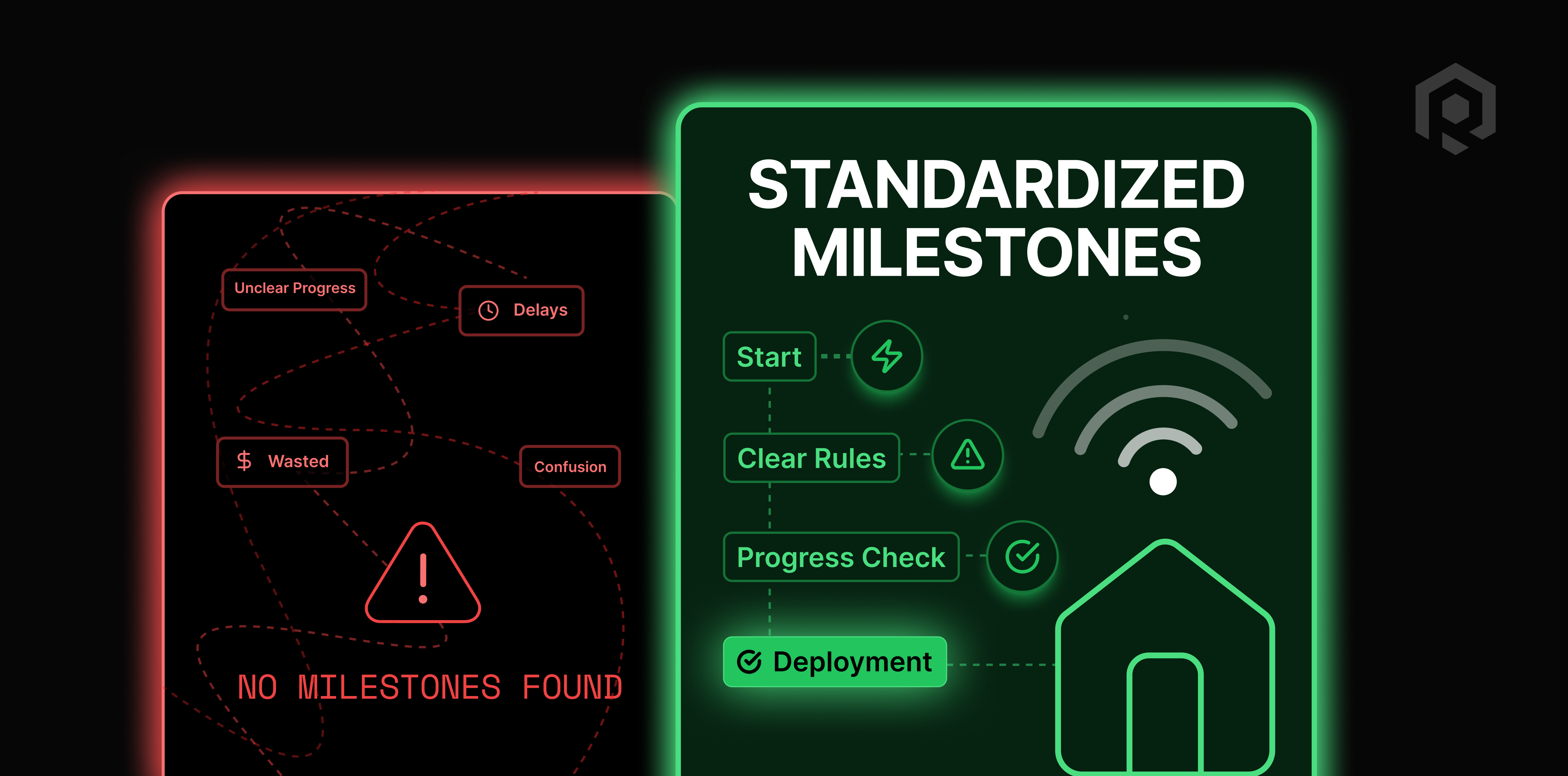
Uniform expectations with standardized inputs allow work to move at speed without sacrificing control. When every subgrantee submits reports in the same format, to the same schedule, with the same level of documentation, review shifts from interpretation to pattern recognition.
Consistency becomes especially critical when teams must verify progress and compliance at the location level for the first time.
2. Preserve Context as Work Happens
Payments, scope adjustments, and timeline decisions approved early in a program often become audit questions years later. Without preserved context, approvals, exceptions, and adjustments become difficult to explain under audit or oversight review.
Continuous documentation anchors decisions to conditions at the time of action. When rationale, evidence, and outcomes remain connected, institutional memory holds and defensibility strengthens over time.
3. Plan for Exceptions
Delays, scope changes, and edge cases are inevitable across long infrastructure timelines. Programs can maintain credibility if exceptions follow the same disciplined approach as standard work.
Clear criteria, documented approvals, and outcomes that remain traceable over time ensure adjustments stay controlled, visible, and defensible.
4. Let Systems Carry the Coordination Load
As scale increases, manual follow-up becomes unsustainable. Managing 50 subgrantees with quarterly reporting requirements equates to 200 deliverables per year before you count milestone submissions, reimbursement requests, and compliance documentation.
BEAD programs thrive when automated systems maintain momentum for you. Reminders go out automatically. Submissions arrive in standardized formats. Dashboards show status updates at a glance. Teams focus on results, not chasing updates.
5. Stay Ready for Audits at All Times
Oversight and audit questions rarely arrive on a schedule. When requested, answers are expected quickly and must be accurate, complete, and well-documented.
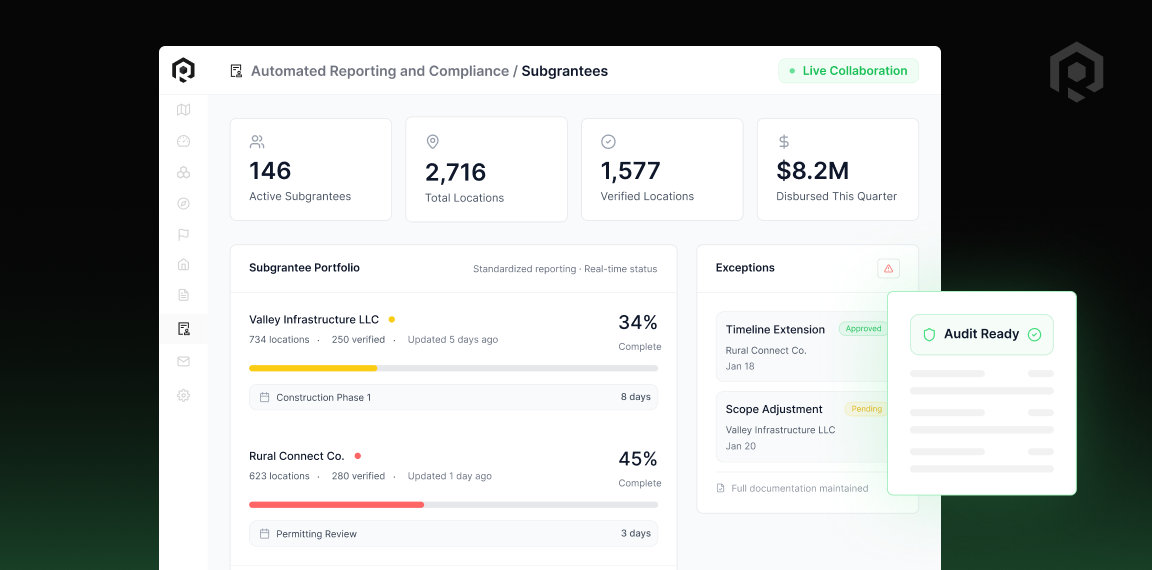
Programs operate with confidence when teams can produce audit-ready answers the moment questions arise. Real-time dashboards, automated audit trails, and organized documentation turn surprise requests into routine responses.
How ARC Puts Principles into Practice
ARC is purpose-built with these principles in mind because long-running infrastructure programs require durable structure to succeed. As programs extend across the next decade, manual coordination will lead to inconsistency, lost context, and increasing audit exposure. BEAD’s scale and duration demand a different operating model.
ARC provides that model by bringing post-award reporting, compliance oversight, and execution visibility into a single, structured system designed to hold as programs scale.
Standardize and automate subgrantee reporting
Track progress and compliance at the location level
Automatically connect approvals, exceptions, evidence, and rationale over time
Maintain visibility and defensibility for scope changes, delays, and adjustments
Coordinate and automate reporting, reimbursements, and compliance in one place
Deliver fast, reliable answers to oversight and audit questions
Protect program continuity through staff changes
Learn more about ARC, your post-award system for continuity, accountability, and long-term control.
Make audit-ready your default state.
Post-award reporting, compliance oversight, and execution visibility in one structured system — built to hold as programs scale.