What Every BEAD Awardee Must Know About Subgrantee Agreements

As final proposals undergo final curing and the very last BSLs find their home into different project areas, many stakeholders eyes’ are set on the next iteration of these historic awards. Winning a BEAD award is not the end of the process, after all…the binding subgrantee agreement is where obligations, enforcement, and timelines are locked in for the lifespan of the project. These agreements are already circulating in draft form and they share common structures that all parties should understand. This guide highlights the contract mechanics that matter most.
Subgrantee agreements are just as critical for states and territories, who must enforce them at scale. For that perspective, see our related post: What Every State and Territory Must Know About Subgrantee Agreements.
The Upside of Doing It Right
Zoom in on what BEAD actually asks for—location-level accountability, measurable performance, milestone discipline—and you’ll see strong alignment with how scaled operators manage growth.
BEAD affords a four-year maximum build from execution to “substantial completion”, meaning service available to all locations. The longer number? A Ten-year “federal interest period” after closeout where obligations persist: service levels, affordability, record retention, clawback exposure.
Operators who extend BEAD-grade systems across their entire footprint can expect key advantages: clearer insight into customer behavior, faster course corrections, and a stronger foundation for future growth.
Five Operational Pillars in Your Subgrant Agreement
Your subgrantee agreement contains several core requirements that, when properly leveraged, become competitive moats, including:
1. Financial Controls That Drive Capital Efficiency
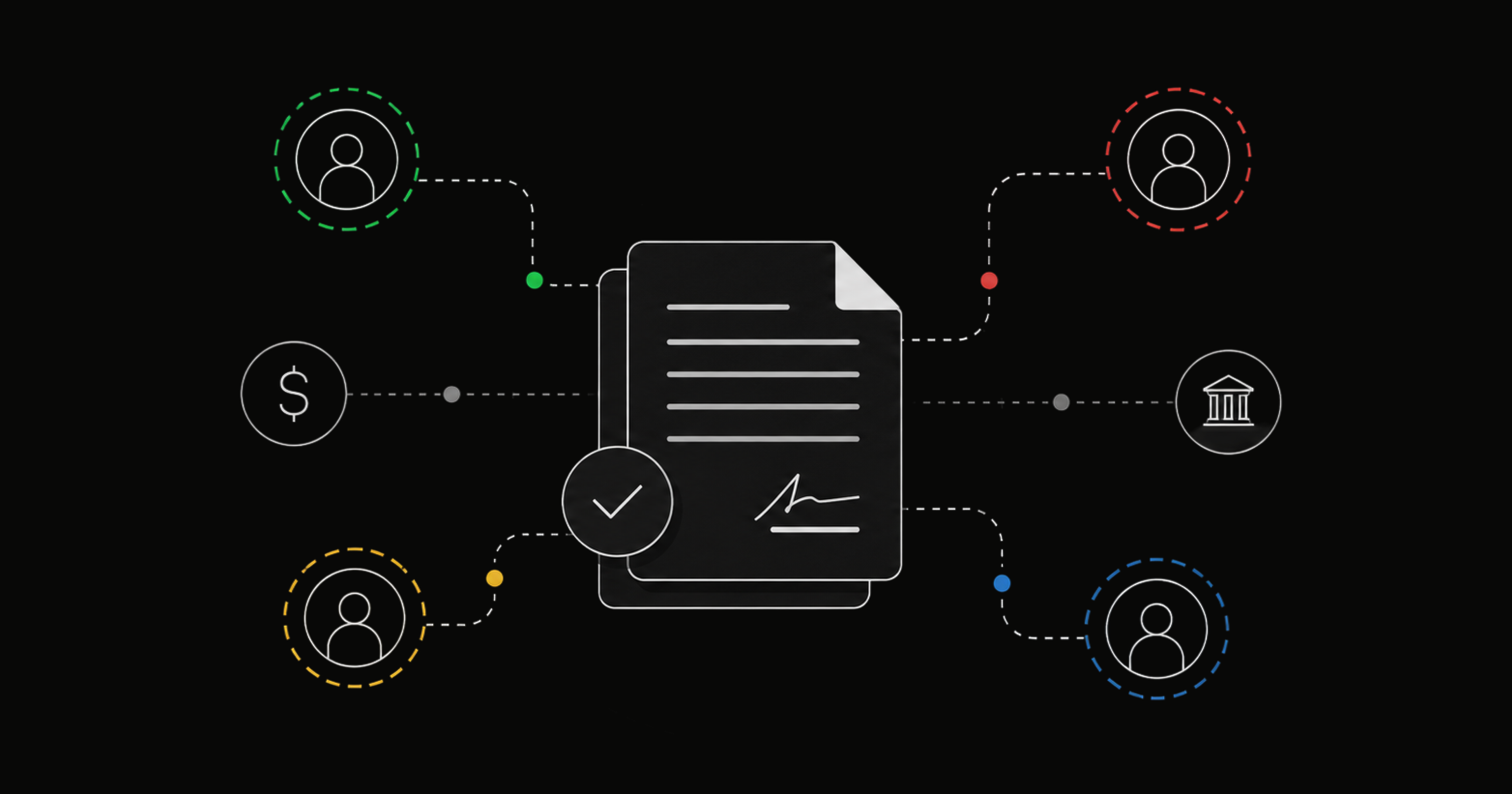
Letters of Credit or Performance Bonds are standard across draft agreements. Many also hold back a percentage (often 10%) of the award until final acceptance, and some allow limited contingency funding requests. These measures are not just red tape but rather keep both state and subgrantee aligned on accountability and solvency.
2. Reporting as Market Intelligence
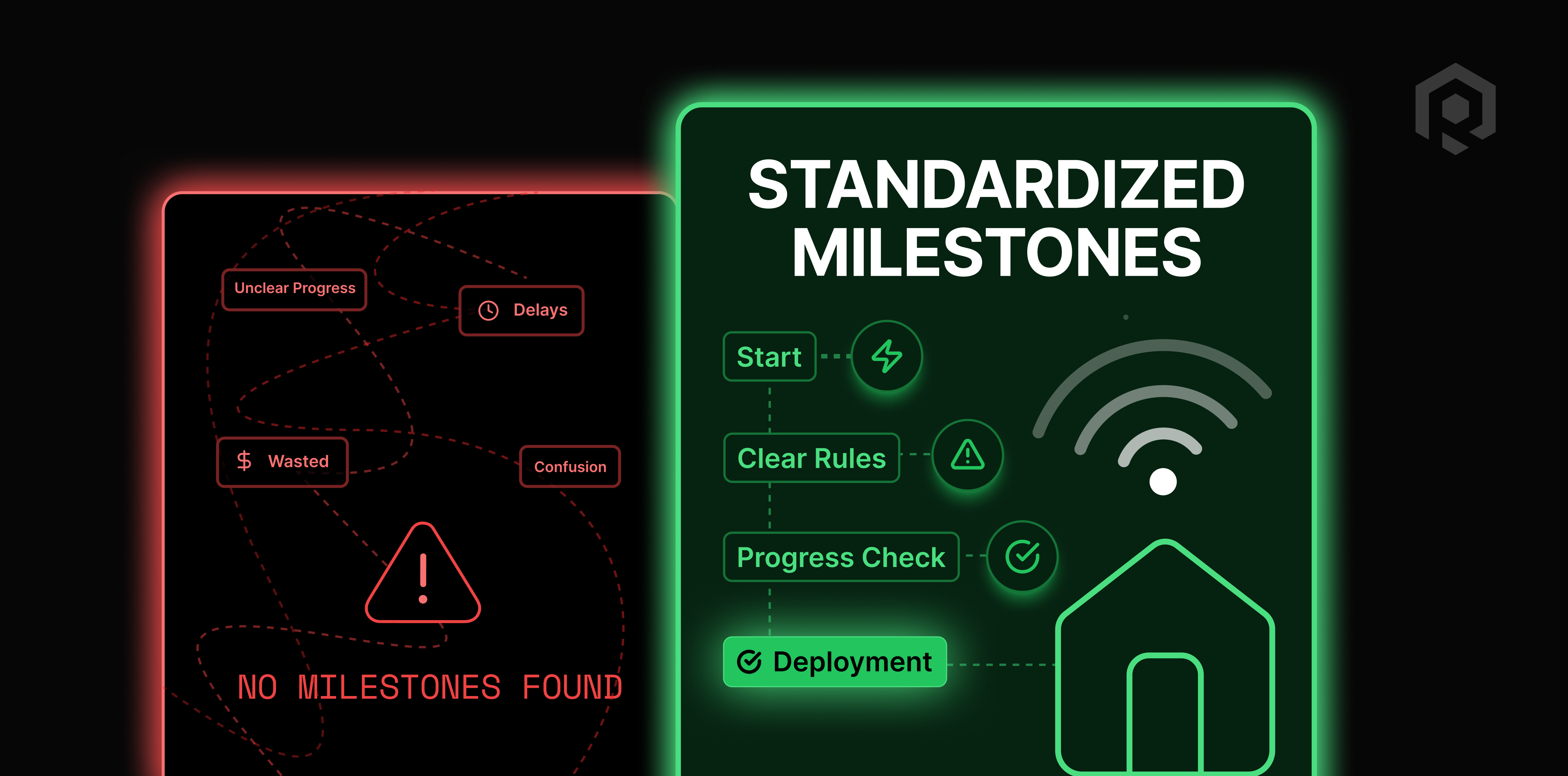
Funding flows through milestone gates: planning, permitting, mid-build, substantial completion. Each state template attaches evidence checklists that contain multiple pathways for evidence to resolution: network design receipts, certified payrolls, BABA documentation, even photos of completed segments. Missing pieces in the evidence trail will result in stalled payments.
Build and automate your milestone documentation process before breaking ground. Align field teams, finance, and compliance staff so that every pole attachment and permit generates the proof you’ll later need to unlock funds and unleash a reliable stream of operational intelligence.
3. Buy America as Supply Chain Mastery
BEAD’s Build America, Buy America (BABA) requirements enforce strict domestic sourcing and documentation. Meeting BABA standards requires stronger supply chain management, which can also create lasting advantages. Operators that align their procurement systems to BABA can build closer vendor relationships, improve purchasing leverage, and strengthen resilience against disruptions.
The documentation required for compliance doubles as a supply chain risk management system, giving awardees greater visibility and control without adding new layers of cost.
4. Labor Standards as Workforce Excellence
Funding flows through milestone gates: planning, permitting, mid-build, substantial completion. Each state template attaches evidence checklists that contain multiple pathways for evidence to resolution: network design receipts, certified payrolls, BABA documentation, even photos of completed segments. Missing pieces in the evidence trail will result in stalled payments.
Build your milestone documentation process before breaking ground. Align field teams, finance, and compliance staff so that every pole attachment and permit generates the proof you’ll later need to unlock funds.
5. Network Performance Is the North Star
Compliance starts with the subgrantee agreement, but it ends at the subscriber. If the network doesn’t perform, nothing else matters.
Make performance measurable from day one. Plan to measure clear performance targets (throughput, latency, reliability/uptime, jitter, time-to-repair) and tie them to how you design, build, and operate. Instrument at the edge and core so you’re not guessing later.
Strategic Imperatives
Understand Priority of Authority
When rules collide, agreements establish a hierarchy. Across states, the order looks familiar: IIJA statute first, Specific Award Conditions from NTIA second, Policy Notices third, then state Final Proposals and terms. This ladder matters when disputes arise over ambiguous language.
Don’t assume your state’s terms override federal law. In any conflict, the federal sources almost always win. Read your agreement with that ladder in mind.
Understand Enforcement and Remedies
Every template includes teeth: suspension of reimbursements, termination for default, clawback of funds, and record access for up to ten years post-closeout. Enforcement is not hypothetical.
Default and clawback are avoidable if states build “cure period” language into agreements. This gives subgrantees a window to fix issues before facing the hammer!
Build Once, Use Everywhere
Don’t create a BEAD standard and a non-BEAD standard. Unify your data, field ops, QA, reporting, and procurement so every project benefits—and you’re not maintaining parallel worlds.
Document for What’s Next
Today’s reports and audits are tomorrow’s proof points—for additional public funding, commercial partnerships, and regulatory trust. Invest in traceability and make it easy to produce evidence on demand.
The Competitive Divide
Traditional operators treat compliance as red tape and park BEAD projects in a silo.
Next-gen utilities turn compliance into intelligence, unify systems, and use BEAD standards as a growth accelerator.
Your subgrantee agreement can be an inflection point. Success favors teams that operationalize the standards—not just survive them.
Turn Compliance Into an Advantage with ARC
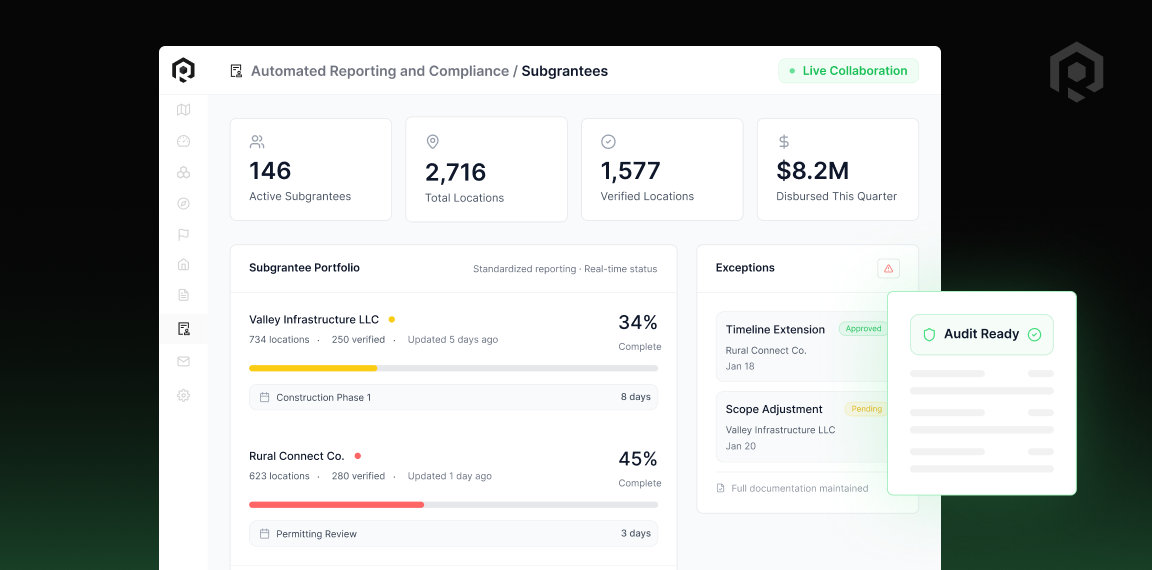
Ready’s Automated Reporting & Compliance (ARC) turns BEAD reporting from a manual grind into a push-button process. Instead of wrestling spreadsheets and inboxes, you get faster reimbursements, fewer back-and-forths with the state, and clear status across locations, milestones, and claims—all fed by source-of-truth data.
When states adopt ARC, subgrantees spend less time on paperwork and more time building. Every automated submission moves milestone payments sooner. Every compliance check is verified in the background. Every audit trail is ready when you need it.
ARC meets BEAD’s bar—and helps everyone win: subgrantees stay focused on delivery; states get complete, consistent reporting.
If the goal is less time on compliance and more time serving customers, ask your state broadband office to adopt ARC.
Make audit-ready your default state.
Post-award reporting, compliance oversight, and execution visibility in one structured system — built to hold as programs scale.