What Consultants Must Know About Subgrantee Agreements
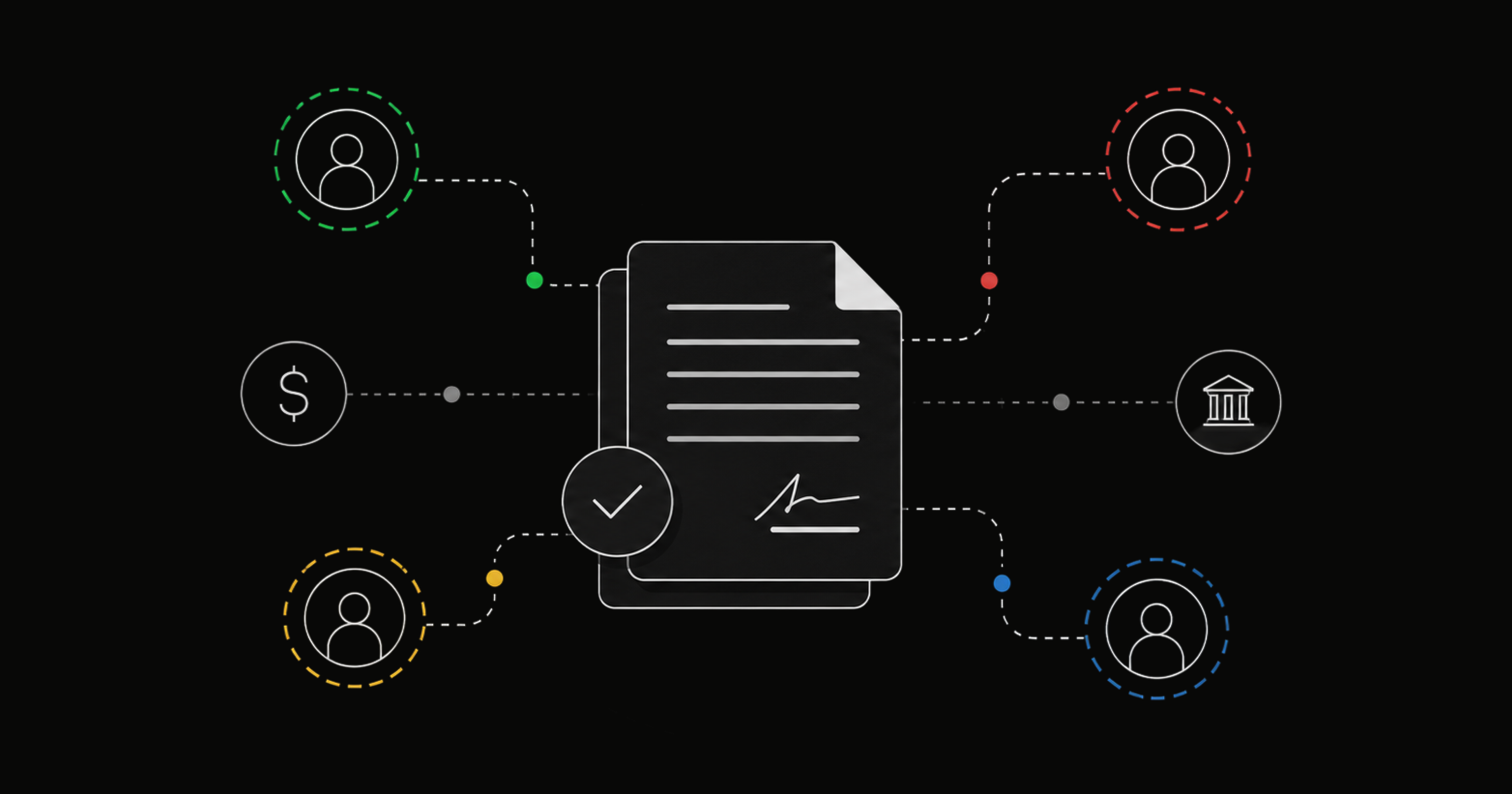
Subgrantee agreements turn billions of public dollars into enforceable obligations, measurable outcomes, and real connections. Over the next decade, states will manage up to $42.5 billion in BEAD subgrant agreements. A single poorly drafted clause could trigger millions in clawbacks. Strong, specific agreements paired with the right systems become blueprints for success, while weak or boilerplate language multiplies risks like audits, clawbacks, delays, and missed timelines.
For consultants, you’re helping states and operators translate evolving federal guidance into programs that can withstand more than a decade of scrutiny. That means navigating four major compliance shifts unique to BEAD:
Areas to locations: Success is now measured at the address level, requiring airtight data, evidence, and processes.
Passings to connections: Counting passings is out; proving verified, active connections with BSS integration and subscriber outcomes is in.
Single event to time series: Compliance isn’t a one-time check; it’s continuous reporting through a four-year build window and ten years of federal interest after closeout.This means 14 years of potential scrutiny: 4 years of construction plus a 10-year federal interest period. Every piece of evidence must be retrievable and defensible across administration changes, staff turnover, and system migrations.
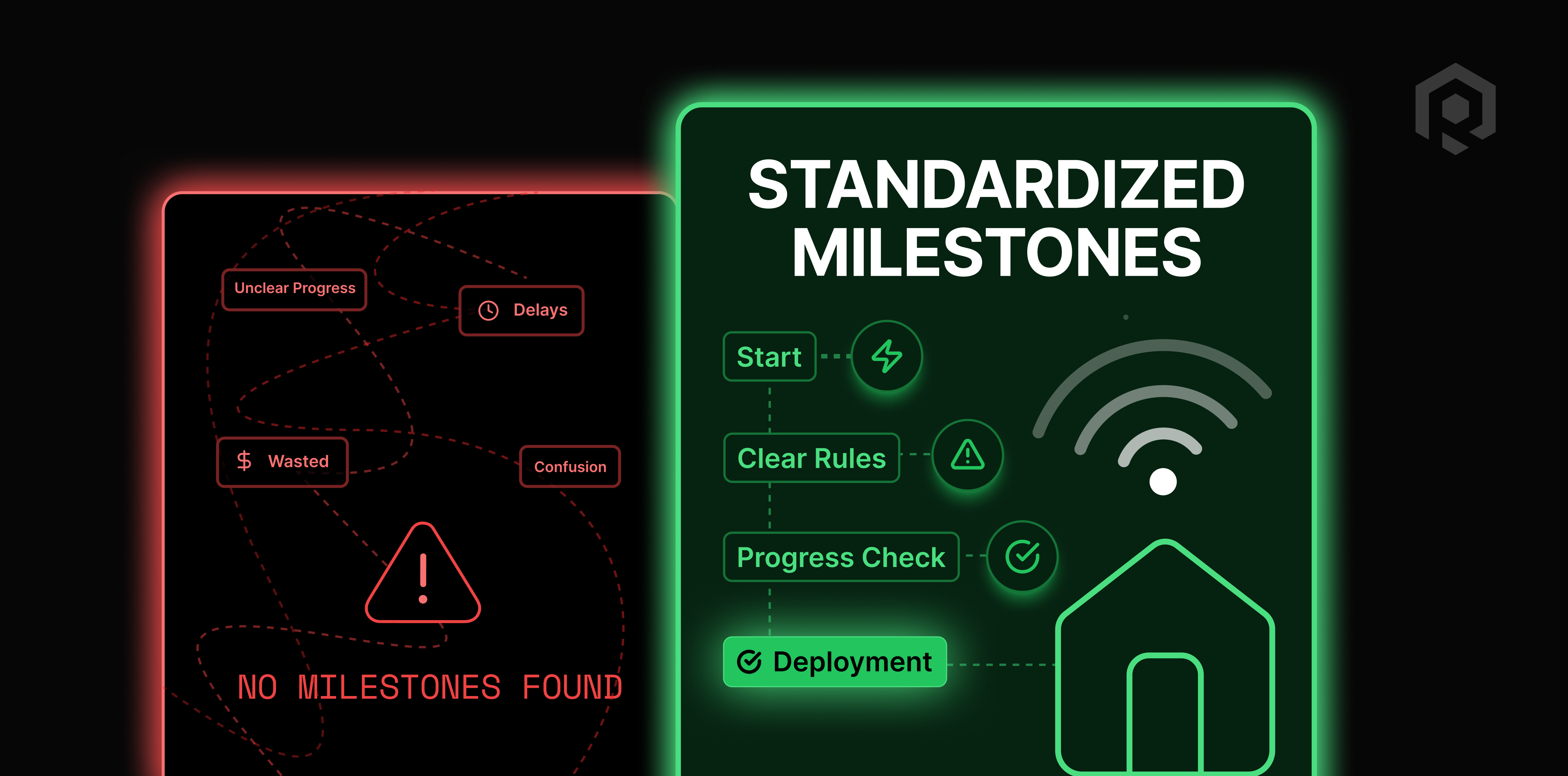
Milestones: The backbone for accountability, financial management, and program success. NTIA requires states to distribute funding to subgrantees for deployment projects on at least a reimbursable basis, allowing the state to withhold funds if the subgrantee fails to comply with reporting requirements.
Consultants must help clients prepare for a compliance journey that stretches across affordability, labor, performance, and documentation—long past the initial award.
Behind the Compliance Curtain
Without a deep understanding of the reporting and compliance nuances within BEAD, consultants risk underselling the scope and mischaracterizing it as a “paperwork sprint.” In reality, BEAD is a location-level, evidence-driven operating regime that spans design, build, activation, service, and long-term monitoring.
If R&C is scoped narrowly, everyone loses. States struggle to enforce. Awardees can't get reimbursed. Rework multiplies. Your edge as a consultant is to right-size expectations from the start and guide clients toward an operating framework that makes reporting and compliance manageable. Here’s how:
1) Calibrate agreements to risk and complexity.
Help states move beyond one-size-fits-all. Tie reporting cadence, verification intensity, and site visits to award size, awardee history, and project complexity. Build clear cure periods and objective remedies into the enforcement ladder so problems can be fixed before the hammer drops.
2) Design agreements that generate usable evidence.
Push for requirements that naturally produce audit-ready artifacts: GPS-verified construction data, certified payrolls, BABA documentation, photo evidence tied to locations, and milestone gates linked to reimbursement. This is how you avoid stalled payments and after-the-fact paper chases.
3) Make performance the north star.
Encourage clients to instrument networks so performance targets are measurable from day one: throughput, latency, reliability, and time-to-repair, tied to both edge and core. Compliance ends at the subscriber. If the network does not perform, nothing else matters.
4) Treat BABA as supply-chain mastery, not a hurdle.
BABA discipline creates durable advantages: better vendor relationships, cleaner records, and resilience against disruptions. Bake manufacturer certifications, procurement trails, and waiver procedures into the agreement and workflow.
5) Build once, use everywhere.
Guide awardees to avoid “BEAD-only” processes. Unify data, field ops, QA, reporting, and procurement so every project benefits and parallel processes do not erode margins or reliability.
6) Translate the hierarchy of authority.
Clarify how statute, NTIA Specific Award Conditions, Policy Notices, and state terms interact. Your job is to resolve conflicts in favor of the governing source and keep agreements aligned with the ladder your clients will be held to.
7) Write for operations, not just legal.
Insist on definitions, data schemas, submission formats, and acceptance criteria that an operations team can follow. Move ambiguity out of the field and office. The agreement should read like a spec the project can actually run.
Your Edge in Reporting & Compliance
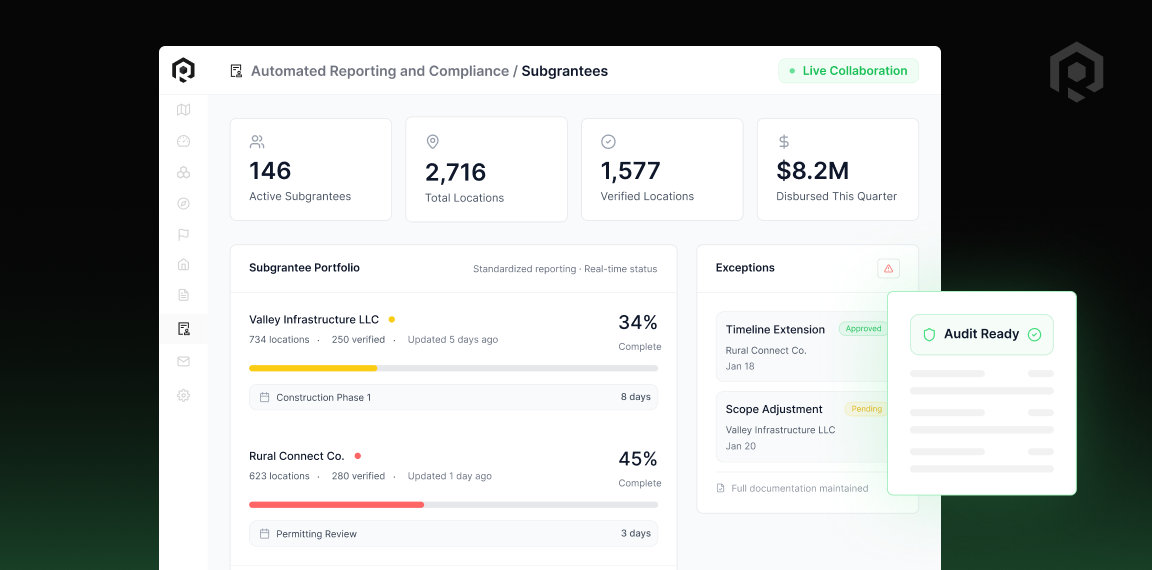
Subgrantee agreements only succeed if they can be executed consistently over years of construction, activation, and service. That’s where ARC (Automated Reporting & Compliance) comes in. It helps states and awardees turn agreement language into day-to-day practice by standardizing how evidence is collected, validated, and reported.
ARC converts agreement language into structured, step-by-step processes that guide awardees through each milestone phase. Clear checklists specify required evidence, acceptable formats, and submission deadlines—eliminating ambiguity about what documentation proves completion. Automated validation checks flag missing or non-compliant submissions before review, reducing back-and-forth cycles. States gain visibility into milestone progress across all projects, while awardees know exactly what's needed to trigger their next payment. The result: milestones function as they're intended—as progress accelerators, not payment bottlenecks.
For consultants, ARC can serve as the backbone of a workable compliance model:
Operationalize agreement terms.
If agreement milestones call for GPS-verified construction data, photo evidence, certified payrolls, or BABA documentation, ARC provides a clear workflow for awardees to deliver it the same way every time.Keep payments moving.
By aligning evidence to milestones and running automated checks, ARC reduces back-and-forth and helps states process reimbursements faster.Maintain a single source of truth.
Directors can see from project level or all the way to location-level progress, while awardees track what’s accepted, pending, or out of compliance—all in one shared dashboard and audit trail.Scale sustainably.
Manual spreadsheets and PDFs may work at small scale but not across thousands of locations and a decade of reporting. ARC handles the volume with geospatial tracking, financial validation, and continuous verification.
The Stakes for Your Firm
Consultants who scope reporting and compliance realistically, and back it with practical systems become indispensable. They cut program risk for states, speed payments for subgrantees, and keep the focus on broadband delivery.
To put this into practice, strengthen your client programs with the same discipline we recommend to states. For a full picture of how to apply these principles across BEAD reporting and compliance, check out the companion posts in this series:
Make audit-ready your default state.
Post-award reporting, compliance oversight, and execution visibility in one structured system — built to hold as programs scale.