What Working Inside America's Infrastructure Investment Taught Us
Over the past five years, America has committed hundreds of billions of dollars to building and modernizing critical infrastructure. From the Infrastructure Investment and Jobs Act and CHIPS and Science Act to the more recent Rural Health Transformation Program, federal investments are reshaping the networks, facilities, and systems communities will depend on for decades.
Across the country, state and local leaders are making consequential decisions about where to direct infrastructure investment, how to maximize the value of existing assets, and how to ensure today's investments support the services communities need.
At Ready, we've had an unusual vantage point into that work. Our software helps governments plan, administer, and oversee more than $14 billion in federal infrastructure investment across 30 states and territories. Working alongside the institutions managing these investments has given us firsthand insight into how infrastructure decisions are made, the challenges institutions face, and the needs emerging as their programs advance.
That work has brought a recurring gap into focus: critical institutions and services need near-cloud and access infrastructure. They need computing, data, and connectivity close enough to support the work happening locally, and practical ways for people and critical systems to use those capabilities.
A broadband connection can reach a hospital, school, or public safety facility without giving it everything it needs to deliver dependable digital services. Three lessons from our work have shaped how we think about closing that gap.
Lesson 1: Existing investments reveal what needs to be built next
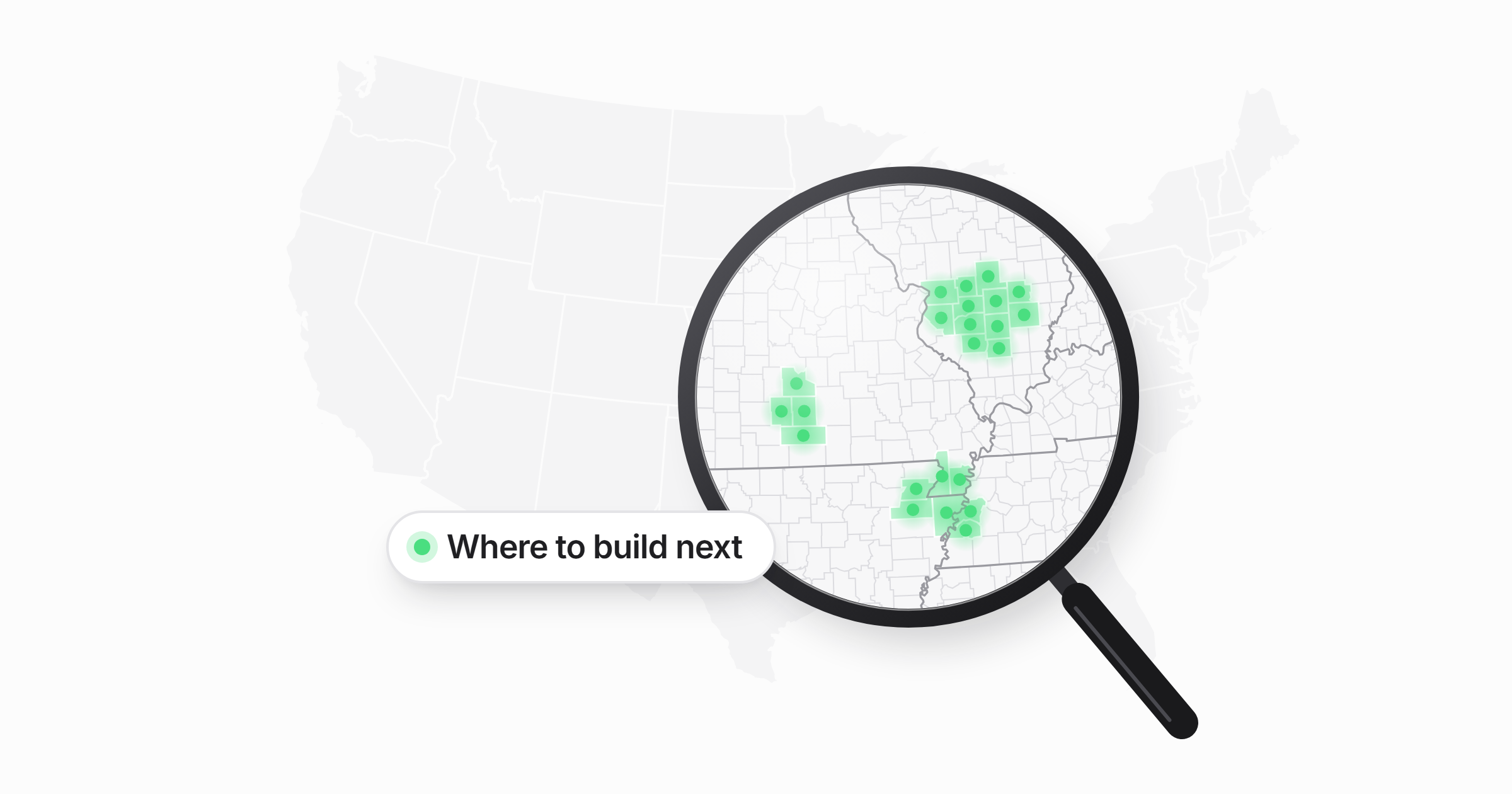
State broadband offices have spent years building a detailed understanding of their states' digital infrastructure. Through BEAD and other programs, they've mapped connectivity gaps, evaluated existing networks, and developed relationships with the institutions responsible for serving their communities.
As I explored in What Broadband Directors Must Know About AI Infrastructure, the knowledge and capabilities developed through these programs can inform infrastructure decisions long after the original funding is spent.
But working alongside these institutions has revealed something else: the needs that emerge as investments take shape don't always fit neatly within the programs that brought them to light.
A state may begin by identifying where broadband is missing and discover that connected communities still lack access to essential services. A public institution may have reliable connectivity but lack the equipment, computing capacity, or operational support to put it to greater use. It may also depend on distant systems for records, applications, and other capabilities that become unavailable when the connection fails.
Our work with state broadband offices began with software to help governments manage complex infrastructure programs. But working closely with those institutions revealed needs that software alone couldn't address. Closing those gaps requires physical infrastructure, an operating plan, and a buyer able to fund and sustain it. That is why we moved down the stack into Hypercube, access infrastructure, and the services needed to deploy and maintain them.
The experience has reinforced something I believe is particularly important for infrastructure founders: identifying an unmet need is only the beginning. Understanding how institutions make decisions, secure funding, procure solutions, and sustain them over time is what turns an opportunity into infrastructure that delivers lasting value to the people who depend on it.
Lesson 2: Critical services need more than a broadband connection
One of the clearest lessons from our work is that meeting the objectives of an infrastructure program doesn't necessarily mean communities can access the services the investment was intended to support.
In The Missing Middle of AI Infrastructure, I described the near-cloud as a shared layer of compute, data, connectivity, and AI capability close to the people and critical systems that need it. Connecting a facility is one milestone. Giving it the local capacity to run useful services and keep essential functions available is another.
Consider a rural hospital. Broadband may connect clinicians to remote systems, but continuity during a network outage could require selected patient records, an application, and a sign-in process that remain available locally. As I explored in What Happens When the Cloud Is Unreachable?, nearby computing only helps if the other dependencies needed to use it remain available too.
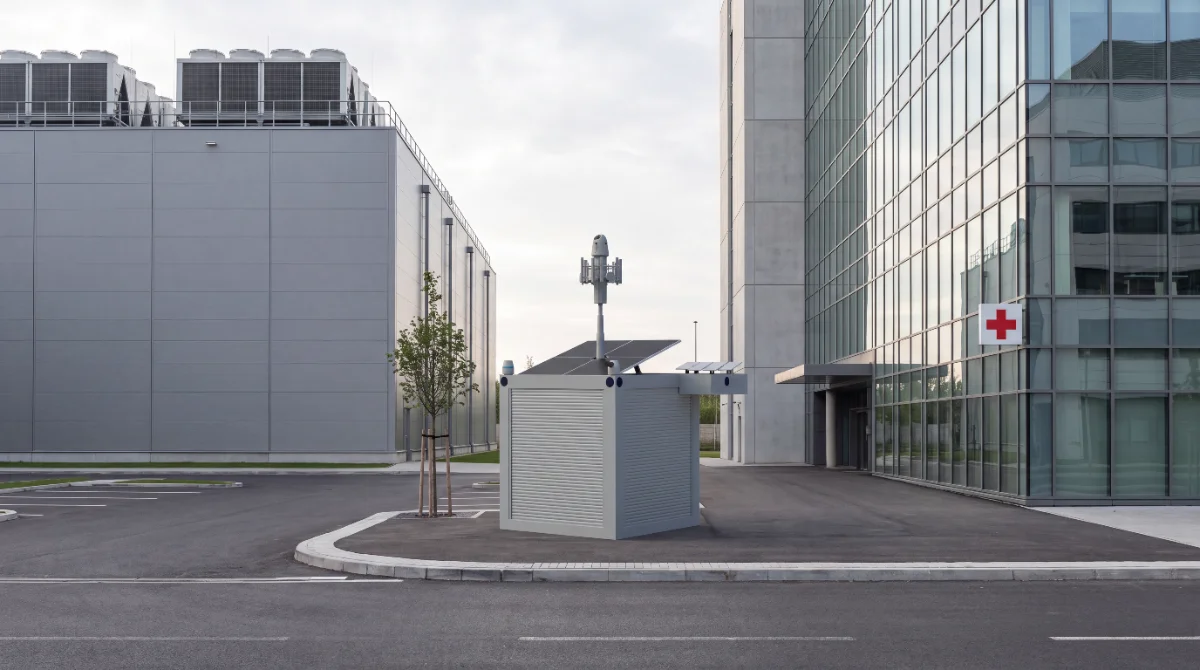
That requirement is shaping Hypercube: a purpose-built modular data center that brings compute, storage, and multiple connectivity options closer to critical institutions. Built from first principles, Hypercube is designed to house the local infrastructure that hospitals, public safety agencies, utilities, and other institutions need. The workloads and supporting systems must be configured around each mission, including what needs to keep working when remote services cannot be reached.
People also need places and equipment that let them use the services this infrastructure supports.
Oklahoma offers a concrete example of investing in the access infrastructure a broadband connection alone doesn't provide. Building on its broadband investments, the Oklahoma Broadband Office is deploying Community Access Portals in trusted institutions, creating private, connected spaces where residents can access remote healthcare, workforce support, education, and other services.
Oklahoma shows how an existing investment can reveal the next missing piece and lead to a funded decision. Portals address the human access requirement. Hypercube addresses the local computing and connectivity requirement. Both start with what an institution needs to deliver a useful service.
Lesson 3: Plan for long-term operation from the start
One of the most important lessons we've learned is that building infrastructure and operating it successfully are two very different challenges. A solution that works in one location may become difficult to manage across hundreds of sites, particularly when the institutions hosting it have entirely different responsibilities.
For near-cloud infrastructure, deployment is the beginning of an operating obligation. Someone must monitor equipment, maintain power and cooling, keep software and data current, and respond when something fails. A hospital or public safety agency needs a clear plan for who carries those responsibilities alongside its existing teams.
The experience has reinforced the importance of designing for deployment and long-term operation from the beginning. Technology, monitoring, maintenance, and support must be consistent enough to scale, while installations accommodate the realities of individual locations.
For Hypercube, that means designing the physical infrastructure, BOSS monitoring and management, and Ready Services deployment and lifecycle support together. Site conditions and workloads will vary, but each installation should build on a repeatable approach to configuration, maintenance, and support.
The ability to operate and maintain a system at scale is as important as the ability to build it. Infrastructure investment should account for both from the outset.
A new standard for infrastructure investment
These three lessons lead to three questions for America's next generation of infrastructure investment:
What have our existing investments revealed about the needs still unmet?
What local computing, data, connectivity, and access infrastructure would close those gaps?
Who will operate and maintain that infrastructure, and how will it be sustained?
Answering those questions requires looking beyond individual projects to understand how infrastructure, institutions, and services work together.
Working alongside the institutions responsible for those investments has convinced me that the next buildout must bring dependable capability closer to where it is needed. Hypercube is our response to the missing near-cloud infrastructure. Together with access infrastructure, it can help turn America's existing investments into services people and critical systems can use and depend on, in blue skies or gray.
Hypercube
Modular data centers hardened for the conditions that take ordinary infrastructure offline.