How Oklahoma Is Turning Trusted Institutions Into Points of Care & Opportunity
Oklahoma has spent years working to expand high-speed internet access across the state. Now, the Oklahoma Broadband Office (OBO) is building on those investments to address another challenge: ensuring residents can use connectivity to access the services they need.
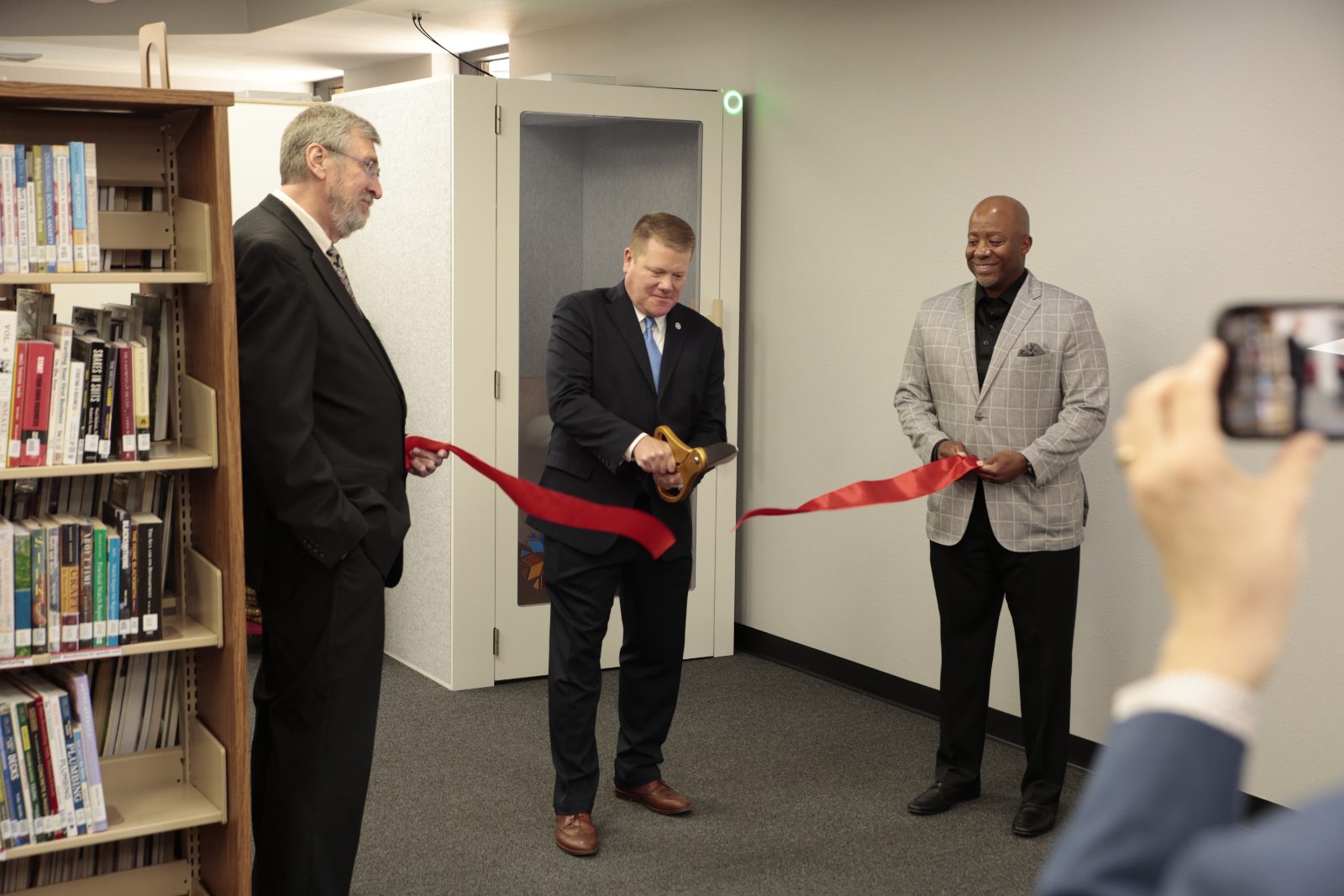
Working with Ready, OBO is deploying a statewide network of Ready Portals, private, connected spaces where residents can access telehealth, workforce development, education, and other remote services. Located in trusted community institutions, including public libraries, CareerTech centers, community colleges, and universities, Portals bring essential services closer to the people who need them.
With Portals now operating across Oklahoma and additional installations underway, the program is demonstrating how states can put existing community infrastructure to work to expand access to essential services.
“Ready Portals turn broadband access into opportunity, transforming trusted community institutions into places where Oklahomans can access healthcare, prepare for new careers, continue their education, and connect to the services they need most.”
The Challenge
Expanding broadband access is a critical first step, but connectivity alone does not guarantee access to essential services.
For many Oklahomans, especially those in rural communities, reaching a healthcare provider, career counselor, or educational opportunity can require significant travel. Even when services are available online, residents may lack a private, reliable, and accessible place to use them.
OBO needed an approach that could address several challenges:
Bridging the gap between connectivity and services.
Broadband creates opportunities for remote healthcare, education, and workforce development, but residents also need appropriate spaces and technology to participate.
Making better use of existing community infrastructure.
Public libraries, CareerTech centers, community colleges, and universities already serve as important resources for their communities. OBO saw an opportunity to expand what these institutions could offer without requiring them to become technology operators.
Coordinating a statewide deployment.
Identifying suitable locations, evaluating site readiness, coordinating installations, and maintaining equipment across geographically dispersed communities requires a consistent, scalable approach.
Maintaining accountability for public investment.
A federally funded infrastructure program must meet rigorous compliance and reporting requirements while providing the state with visibility into deployment progress and ongoing operations.
The Solution
OBO partnered with Ready to establish a statewide network of Community Access Portals inside trusted institutions, turning existing community spaces into places where residents can connect privately with essential services.
Rather than constructing new facilities or requiring host institutions to operate specialized technology, the program builds on existing infrastructure and brings the technology, connectivity, and operational support together in one solution.
Ready supports the program through five integrated capabilities:
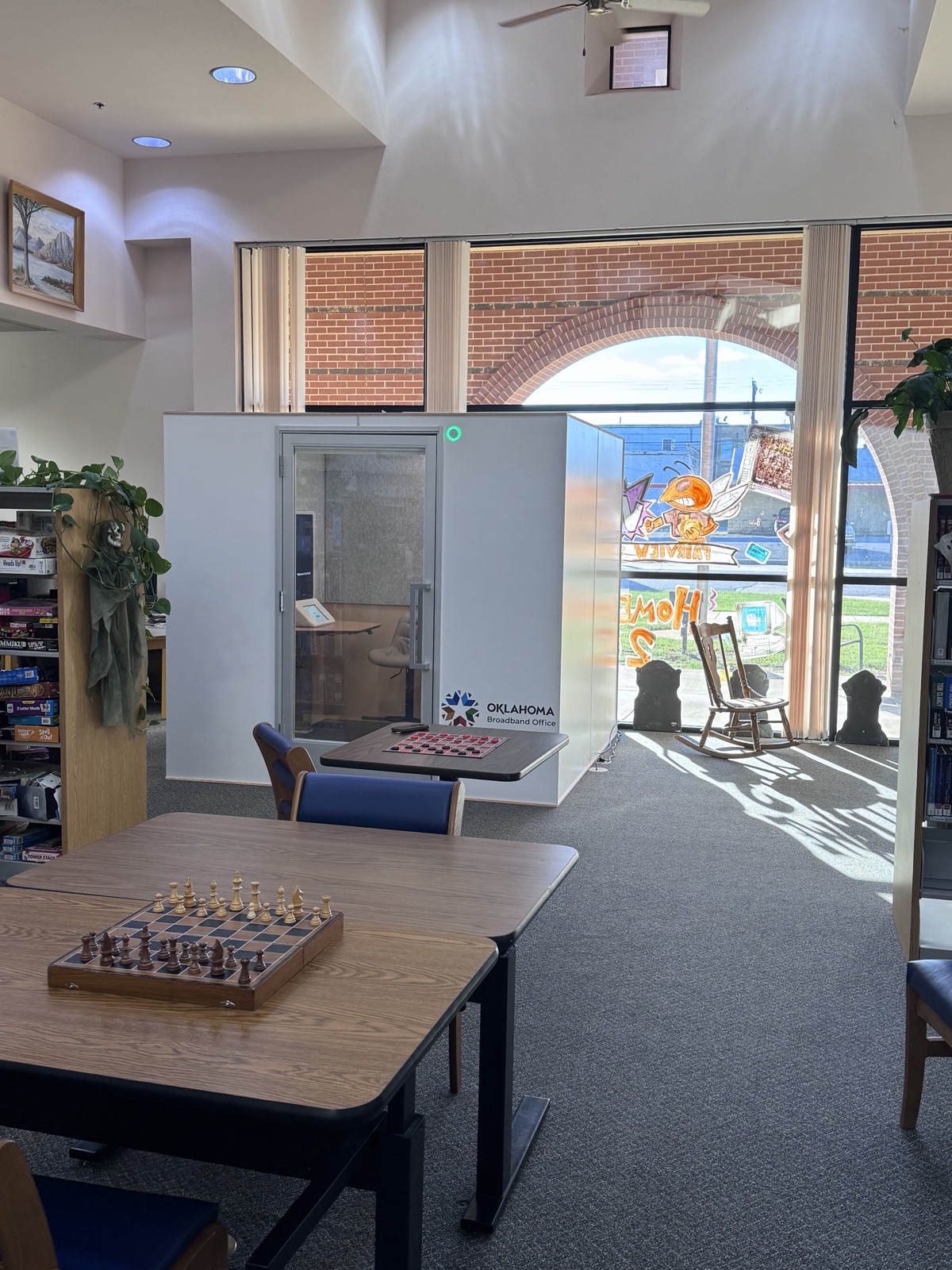
Ready Portals provide enclosed spaces equipped with high-quality video and audio, automatic privacy glass, and secure connectivity. Accessible configurations accommodate wheelchair users.
An OBO-branded request process enables eligible institutions to express interest, provide facility information, and support deployment planning. OBO retains authority over Portal allocation.
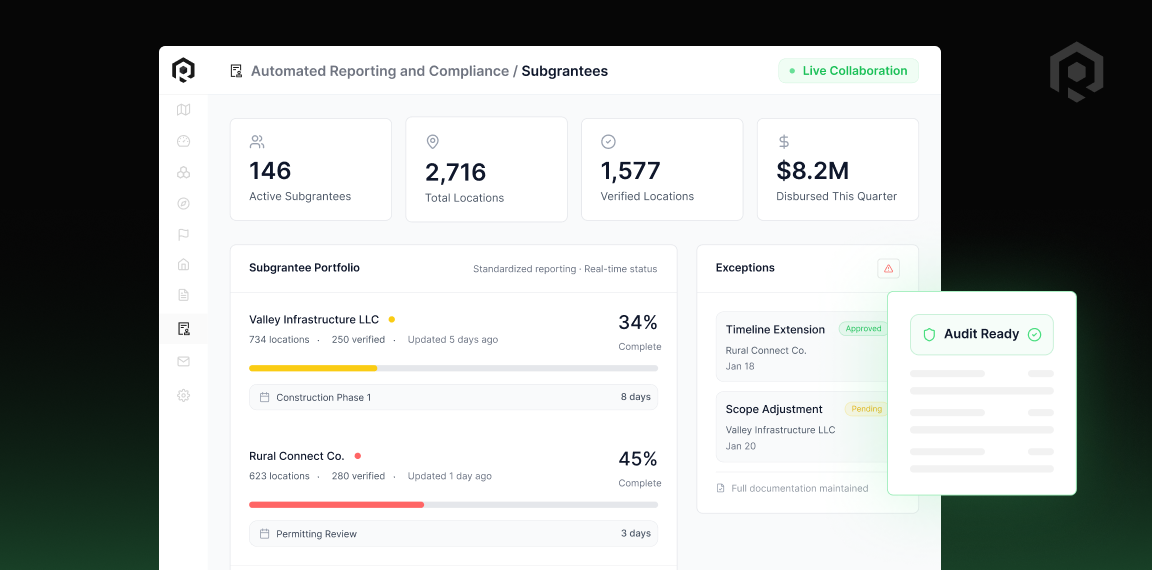
Ready BOSS gives program administrators a shared view of Portal locations, deployment status, equipment health, and operations as the network expands.
Ready ARC supports federal reporting, documentation, and audit readiness throughout the program lifecycle.
Ready coordinates installation, maintenance, remote monitoring, and technical assistance, reducing the operational burden on participating institutions.
Together, the hardware, software, and support infrastructure allow Oklahoma to manage a growing statewide network rather than a collection of independently operated facilities.
Deployment in Action
Oklahoma’s Community Access Portal network has moved from planning into active deployment, with Portals now operating at locations across the state and additional installations underway.
The program brings together public libraries, CareerTech centers, community colleges, and universities, expanding the range of institutions that can help residents connect with essential services.
Operational Portals provide dedicated, private spaces designed for remote appointments, consultations, and other technology-enabled services. As additional locations come online, Oklahoma is expanding the physical infrastructure available to support remote service delivery.
Through BOSS, OBO and Ready can coordinate deployment activities and monitor the expanding network through a centralized platform rather than managing individual sites in isolation.
Centralized technical support, remote monitoring, and ongoing maintenance allow participating institutions to host Portals without taking on responsibility for operating the underlying technology.
Looking Ahead
Oklahoma’s Community Access Portal program represents an important next step in the state’s broadband strategy: moving beyond connecting communities to expanding what residents can access through those connections.
By placing shared digital infrastructure inside institutions communities already use, Oklahoma is creating new opportunities for residents to connect with healthcare professionals, pursue education and training, access workforce resources, and participate in other essential services without traveling long distances.
As the network expands, the program offers a model for how states can build on broadband investments, activate existing community assets, and establish infrastructure capable of supporting multiple services over time.
See where Portals are headed next.
View participating locations, planned deployments, and installation progress on the public Community Access Portal map.