


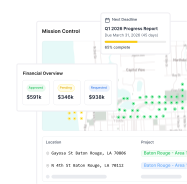


Turn Libraries into Points of Care
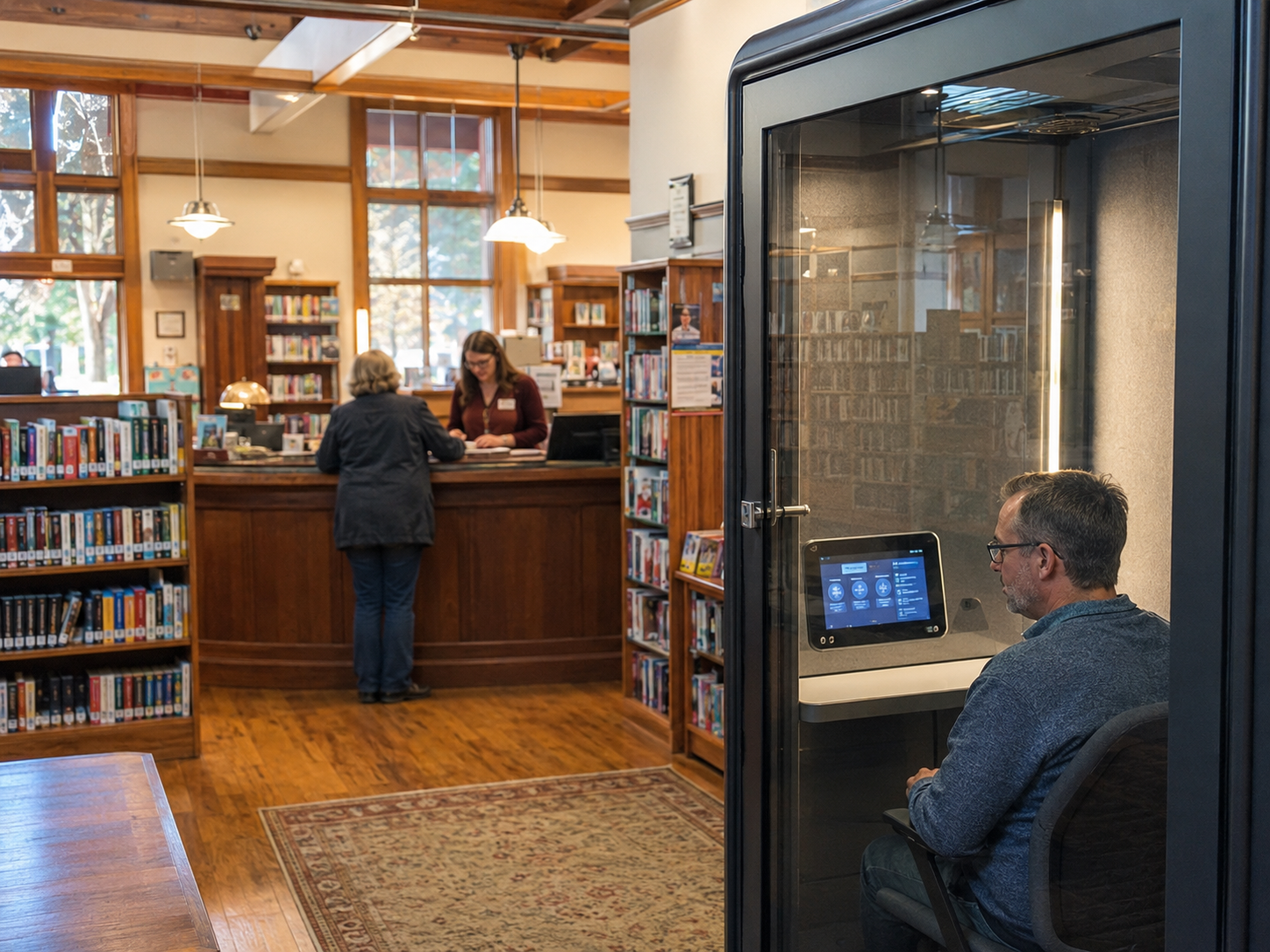
BEAD funding has upgraded broadband at public libraries across the country. That investment ends at the router. The library floor still has shared computers, overextended staff, and no private space for a telehealth appointment, a benefits interview, or a workforce training session. The residents who most need those services — rural households without home broadband, low-income families without transportation, people navigating government systems without digital fluency — cannot access them in that environment. This play deploys private, ADA-accessible, soundproofed service portals inside public libraries and eligible community anchor institutions, connecting residents to telehealth, workforce training, and government benefits enrollment through a single broadband-connected interface. No account creation. No prior digital literacy required. Each portal generates session-by-session compliance documentation automatically. The result: state broadband offices gain a measurable return on their connectivity investment. State human services and workforce agencies gain audit-ready compliance infrastructure. Residents in rural and high-poverty counties gain private, bookable access to physicians, job trainers, and benefits navigators without leaving their county. While public libraries are the primary deployment context, the service portal model applies to any community anchor institution with sufficient broadband and floor space, including community centers, tribal offices, rural health clinics, and workforce centers.
Turn Libraries into Points of Care
Build a Resilient Multi-Modal Middle Mile Mesh (M5)
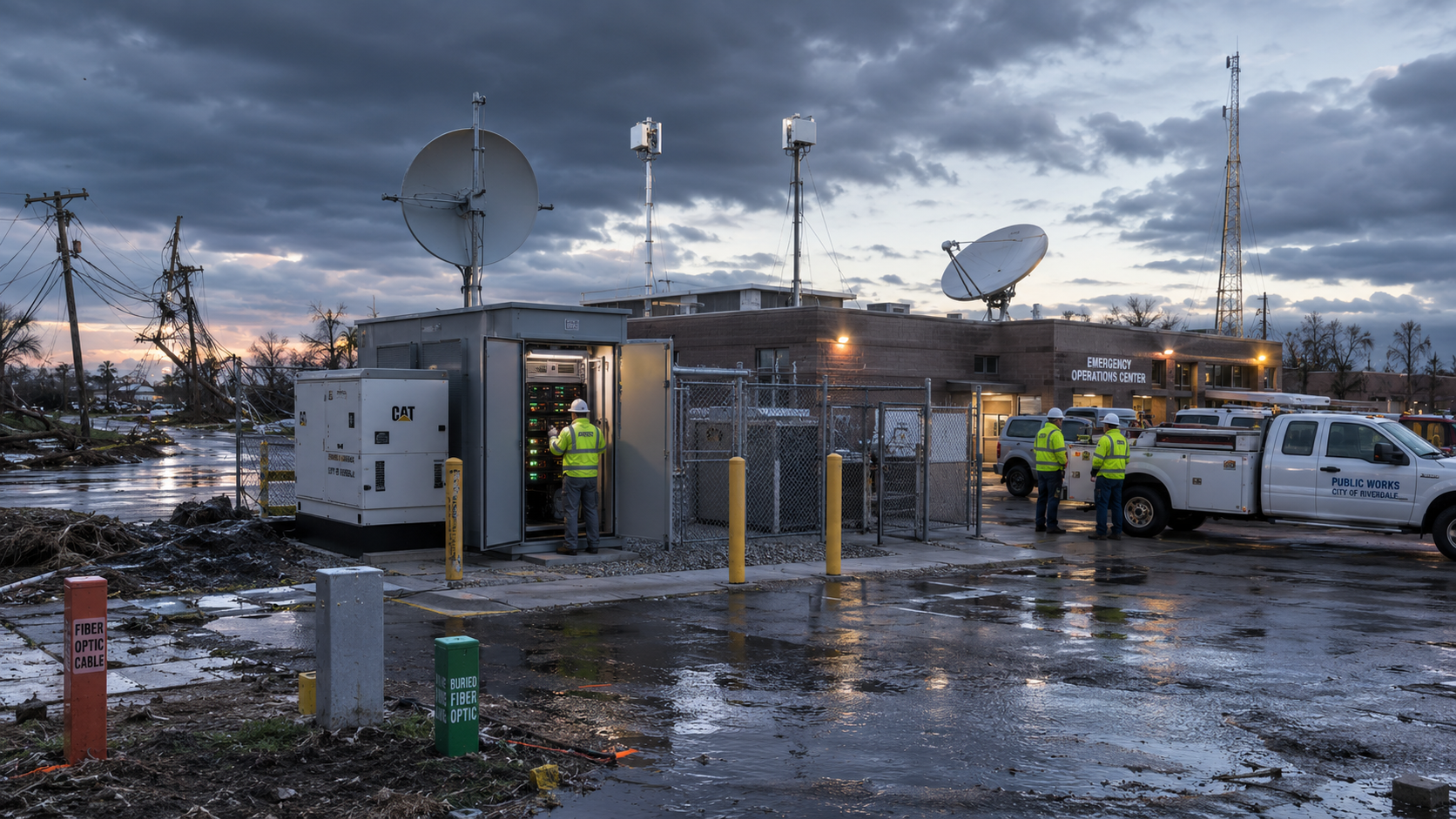
State broadband networks fail in disasters for a predictable reason: what looks like path diversity is built in the same trench. Hurricane Helene took 1.2 million wireline subscribers offline in September 2024 — not because the storm was extraordinary, but because aerial and buried fiber on shared rights-of-way failed simultaneously. The Resilient Multi-Modal Middle Mile Network (M5) eliminates this design flaw by connecting hardened nodes through physically diverse fiber routes and multiple independent transmission modes — fiber, licensed microwave, free-space optical links capable of near-fiber throughput, and multi-orbit satellite — orchestrated by software-defined networking that reroutes traffic within 6 seconds at the network level when any path degrades. Nodes co-located at substations, emergency operations centers, and public safety answering points operate for 72 hours on autonomous backup power with shielding against electromagnetic pulse events. Carrier-neutral switching fabric at each node lets any qualified provider connect on non-discriminatory terms, creating open wholesale access where limited backhaul options previously left ISPs with no alternative. M5 is not a single project — it is a resilient network architecture that states can build incrementally, one hardened node or diverse fiber route at a time, adding components with each funding cycle until the full resilience architecture is in place.
Build a Resilient Multi-Modal Middle Mile Mesh (M5)
Establish Community College Workforce Hubs
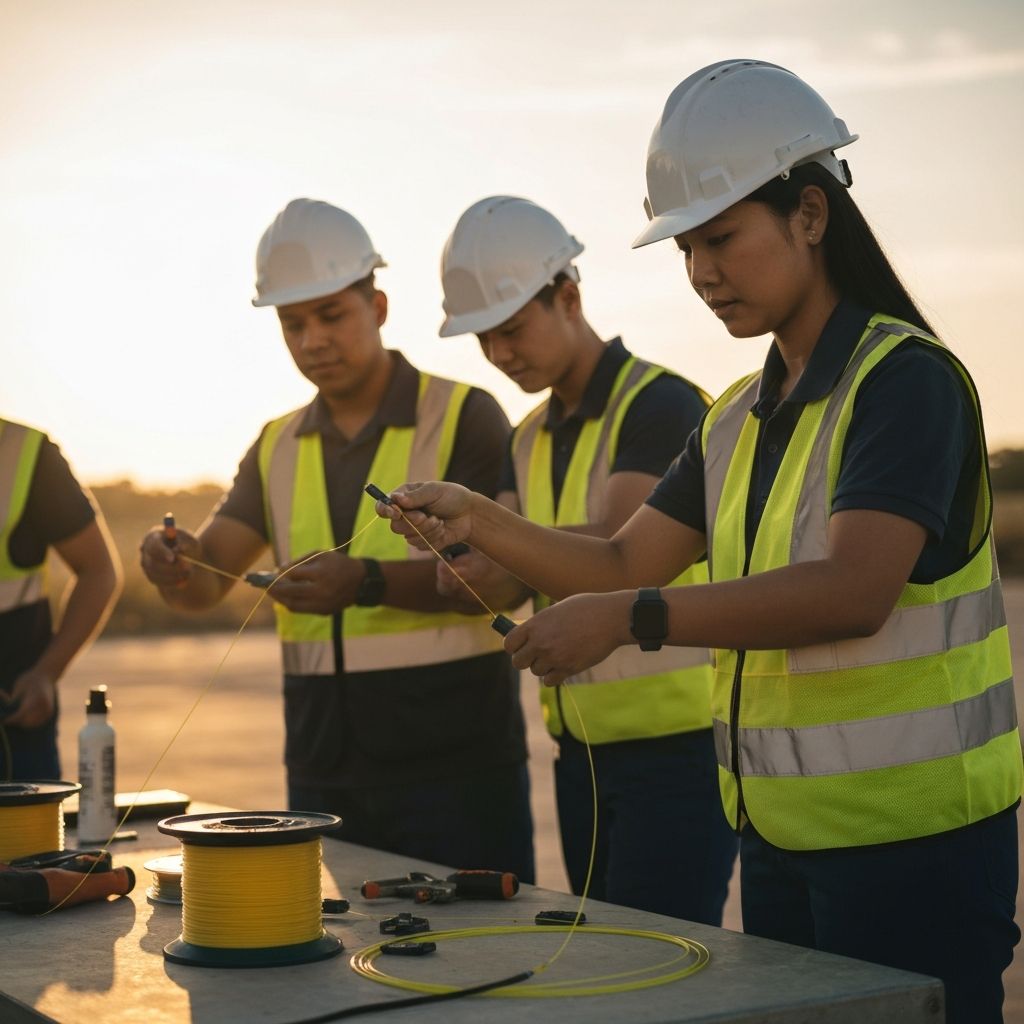
"State broadband offices face an infrastructure workforce crisis with no clear owner. The broadband industry needs 180,000 new workers over the next decade. The cybersecurity sector has 514,000 unfilled positions. Electrical distribution requires 80,000 new workers annually. Community colleges are the only institutions positioned to address all three shortages simultaneously — enrolling 10.5 million students, 30% Hispanic and 12% Black, with average tuition under $4,000 and certificate programs that deploy workers in three to sixteen weeks instead of four years. Community College Workforce Hubs transform existing campuses into hardened critical communications centers with fiber optic training labs, cybersecurity ranges, and emergency communications infrastructure. The model builds on documented implementations: Catawba Valley Community College’s Corning Fiber Optic Training Center, the CWA–Chabot-Las Positas $5.8 million registered fiber apprenticeship, Gulf Coast State College’s dual-use emergency operations center activated during Hurricane Michael, and the Virginia Cyber Range serving 5,000 students across 200 institutions at zero institutional cost. Physical hardening — backup generators, satellite communications, impact-rated construction — makes these campuses operational during grid and network failures, serving as emergency communications relay points and community shelters. Per-site investment of $1–3 million is achievable through braided funding from Perkins V, FEMA BRIC, EDA Public Works, DOL apprenticeship programs, and BEAD non-deployment workforce allocations when guidance is released."
Establish Community College Workforce Hubs
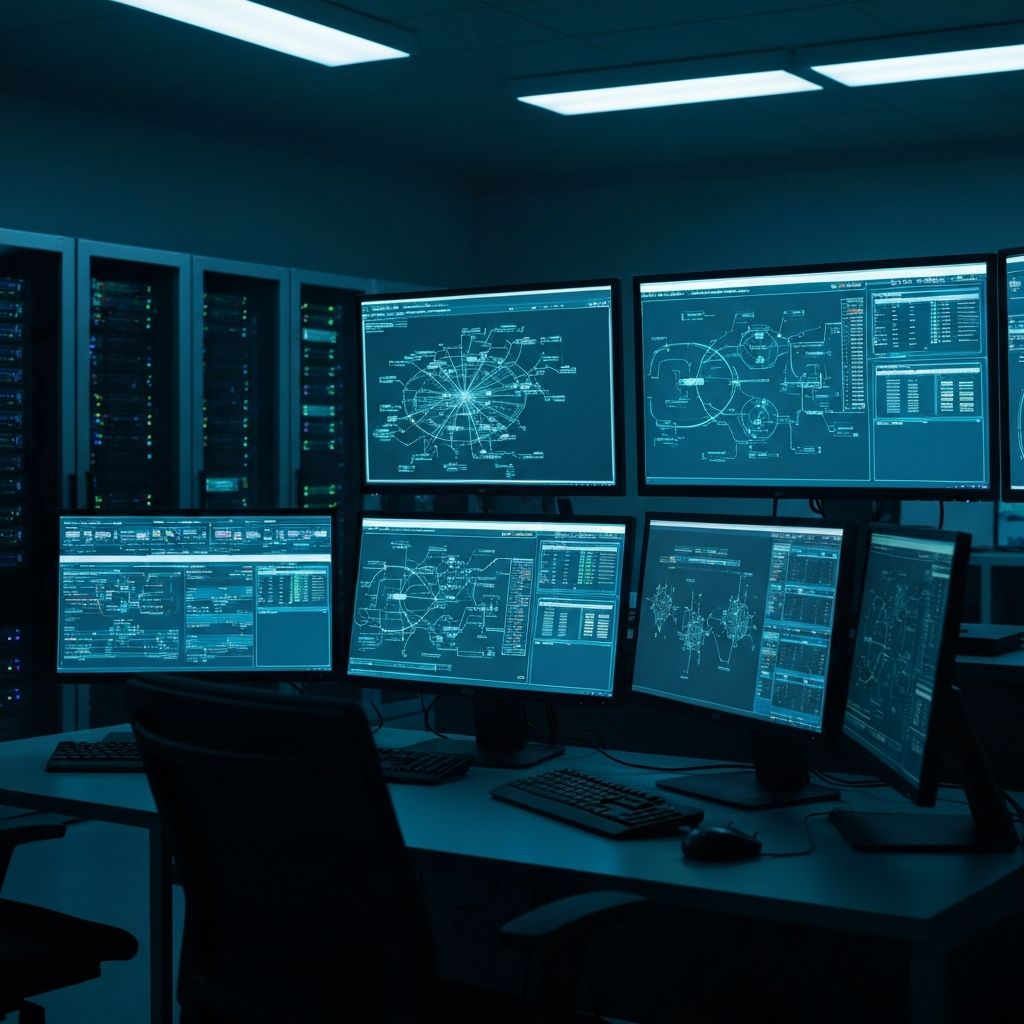
Establish a Cybersecurity Workforce Pipeline for Broadband Networks
"Every fiber route, NG9-1-1 system, and public safety network built with BEAD dollars needs cybersecurity staff to protect it. The United States has more than 457,000 unfilled cybersecurity positions, with only 74 qualified workers available for every 100 openings — a ratio that has worsened for three consecutive years. Telecommunications ranks among the top three sectors hit hardest by cybersecurity budget cuts. Rural ISPs and cooperative utilities — the organizations BEAD most relies on — are the most exposed: many operate with zero dedicated security staff. This play builds a state-level cybersecurity workforce pipeline anchored in community colleges and registered apprenticeships, producing credentialed security operations center analysts, network security engineers, and cybersecurity managers for broadband infrastructure operators. The program connects existing federal workforce infrastructure — NIST RAMPS alliances, DOL registered apprenticeships, CISA training programs, and NSF CyberCorps scholarships — to the specific staffing needs that broadband deployment creates. The pipeline operates through three channels: community college cyber range programs delivering accelerated certification training, registered apprenticeships at ISPs and network operators providing earn-while-you-learn employment, and upskilling pathways for existing broadband technicians transitioning into cybersecurity roles. The model has been proven in Maryland ($3.6M investment across 16 community colleges, 1,100 trainees per year), Massachusetts (statewide CyberTrust network), and Florida (state-funded cyber range serving all 67 counties for over a decade). States can launch using BEAD remaining amounts, Capital Projects Fund balances for facility construction, SLCGP Objective 4 for government employee training, and DOL WIOA formula funds for apprenticeship wage reimbursement."
Establish a Cybersecurity Workforce Pipeline for Broadband Networks
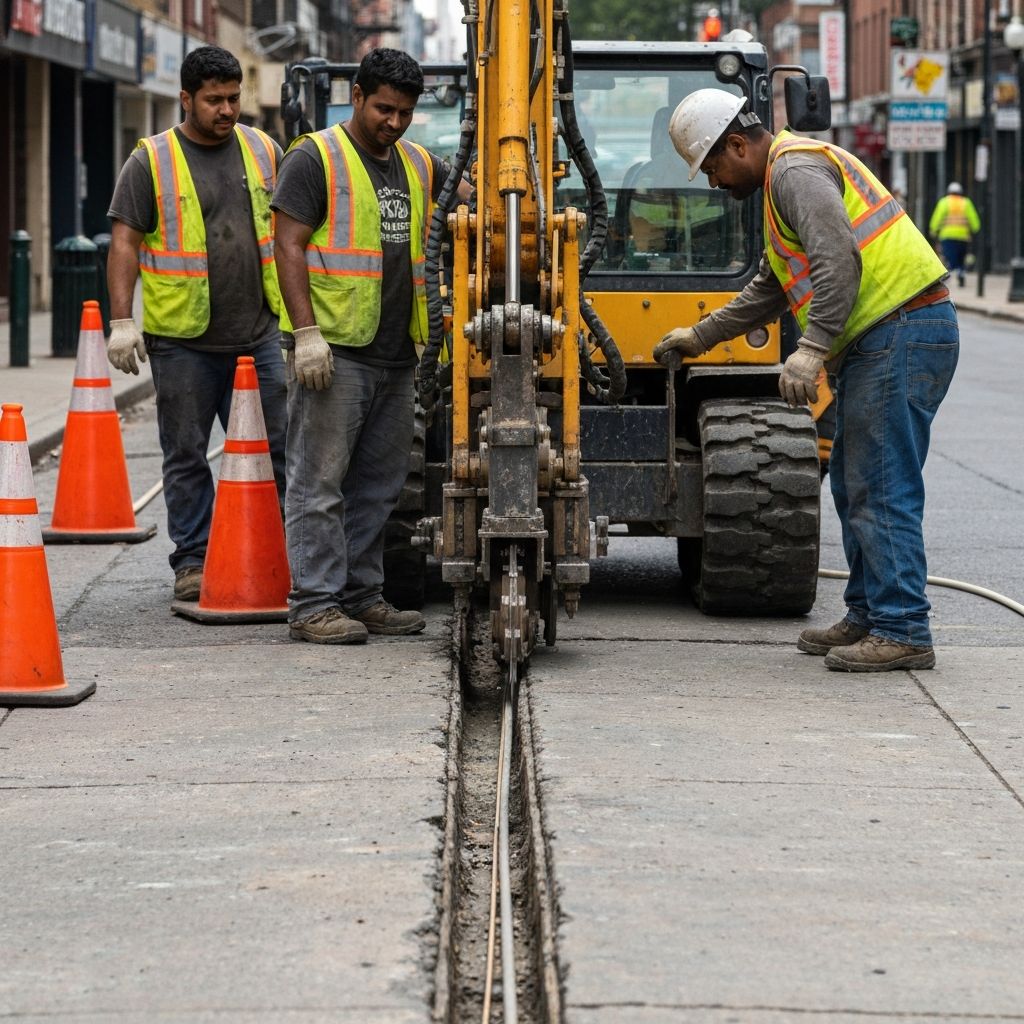
Implement a Dig-Once Policy
"Every year, the United States spends $148.5 billion on public highway and street construction. Every trench opened without placing broadband conduit is a missed opportunity that will cost 10–100 times more to revisit later. Civil works — excavation, trenching, and road restoration — account for 60–90% of underground fiber deployment costs. Yet adding empty conduit to an already-open trench costs as little as $1 per foot in materials, representing less than 1% of a typical road construction budget. Dig-once policies require or incentivize the installation of telecommunications conduit during publicly funded excavation projects. Utah's 20-year program has documented $106 million in avoided costs across 3,252 miles of fiber-optic network, achieving 62.5% statewide fiber coverage against a national average of 49%. Arizona has installed conduit on 200+ miles of interstate right-of-way and entered a 25-year public-private partnership for conduit management. At the local level, Brentwood, California's developer-funded twin-conduit requirement has produced 150+ miles of city-owned conduit at zero direct cost to taxpayers, enabling competitive gigabit service to 11,000 homes. Despite this evidence, only six states currently mandate conduit installation during road construction. The remaining 38–44 states lack meaningful dig-once provisions — an enormous gap between proven policy and actual practice. For state broadband directors, dig-once represents the rare intervention that is administratively light, fiscally minimal, and backed by two decades of evidence."
Implement a Dig-Once Policy
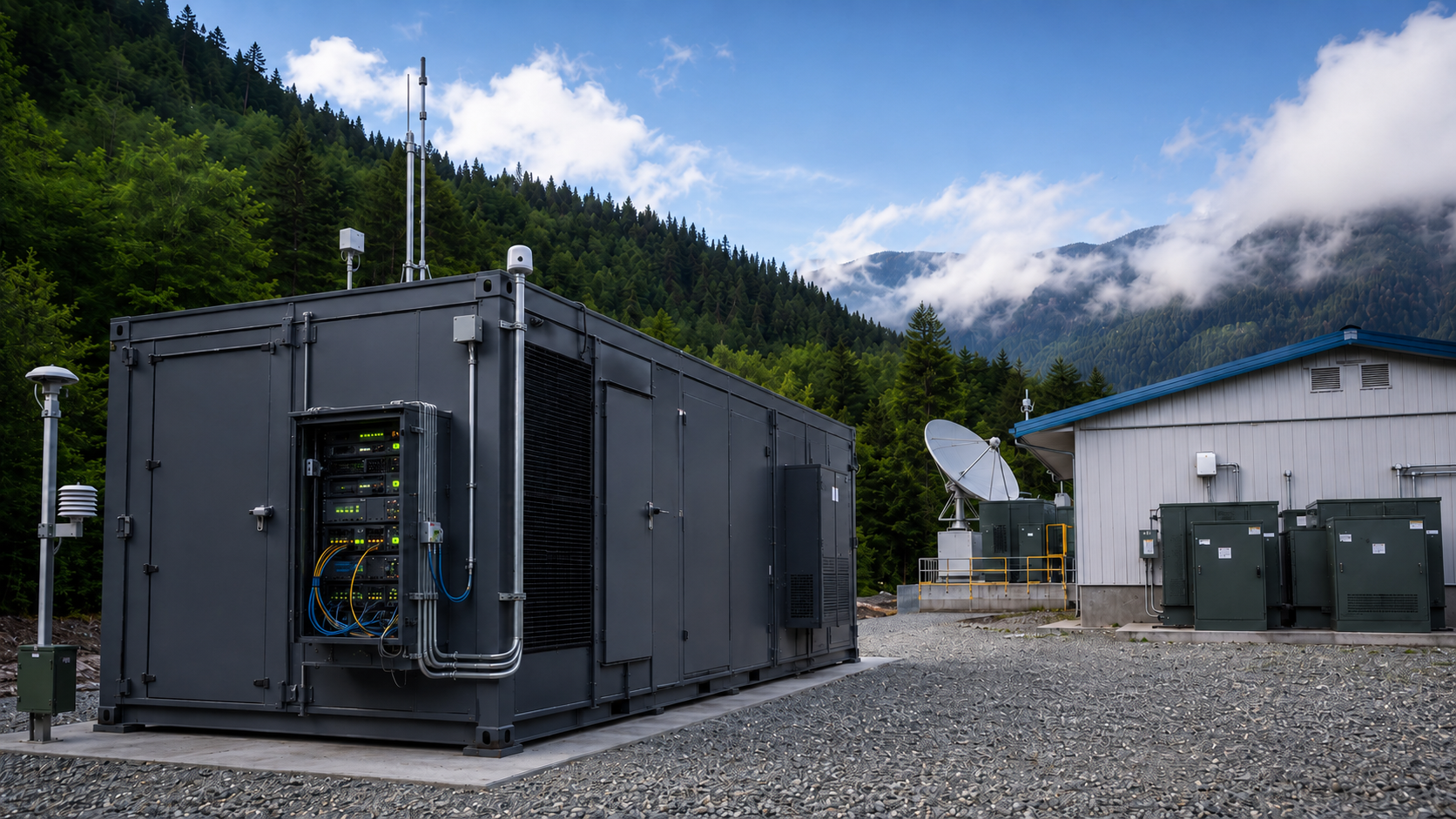
Expand Rural Edge Compute Networks
"Rural communities routing their most demanding digital applications to centralized cloud servers hundreds of miles away face a structural disadvantage that broadband speed alone cannot fix. A rancher's sensor array, a cooperative's SCADA system, a hospital's patient monitoring platform — all require local compute to perform in real time. Distributed micro data center networks address this gap by deploying modular, carrier-neutral edge compute facilities at anchor institutions — regional education service centers, electric cooperatives, community colleges — within 12 miles of end users. This play guides state broadband directors through the design, procurement, and governance of a distributed edge compute program using BEAD non-deployment remaining funds, DOE Grid Resilience programs, EDA Public Works grants, and state economic development authority. It covers three proven deployment models — anchor institution co-location, electric cooperative renewable hosting, and distributed telecom coalition infrastructure — with documented real-world implementations from Texas, Alaska, and the rural Midwest. The play addresses a fundamental infrastructure question: as AI inference, precision agriculture automation, and real-time health monitoring become operational realities, which communities have access to the compute infrastructure those applications require, and which are structurally excluded? This is a Tier 3 play — frontier territory with significant legal uncertainty. Directors considering this play should read the risk section before the opportunity section."
Expand Rural Edge Compute Networks
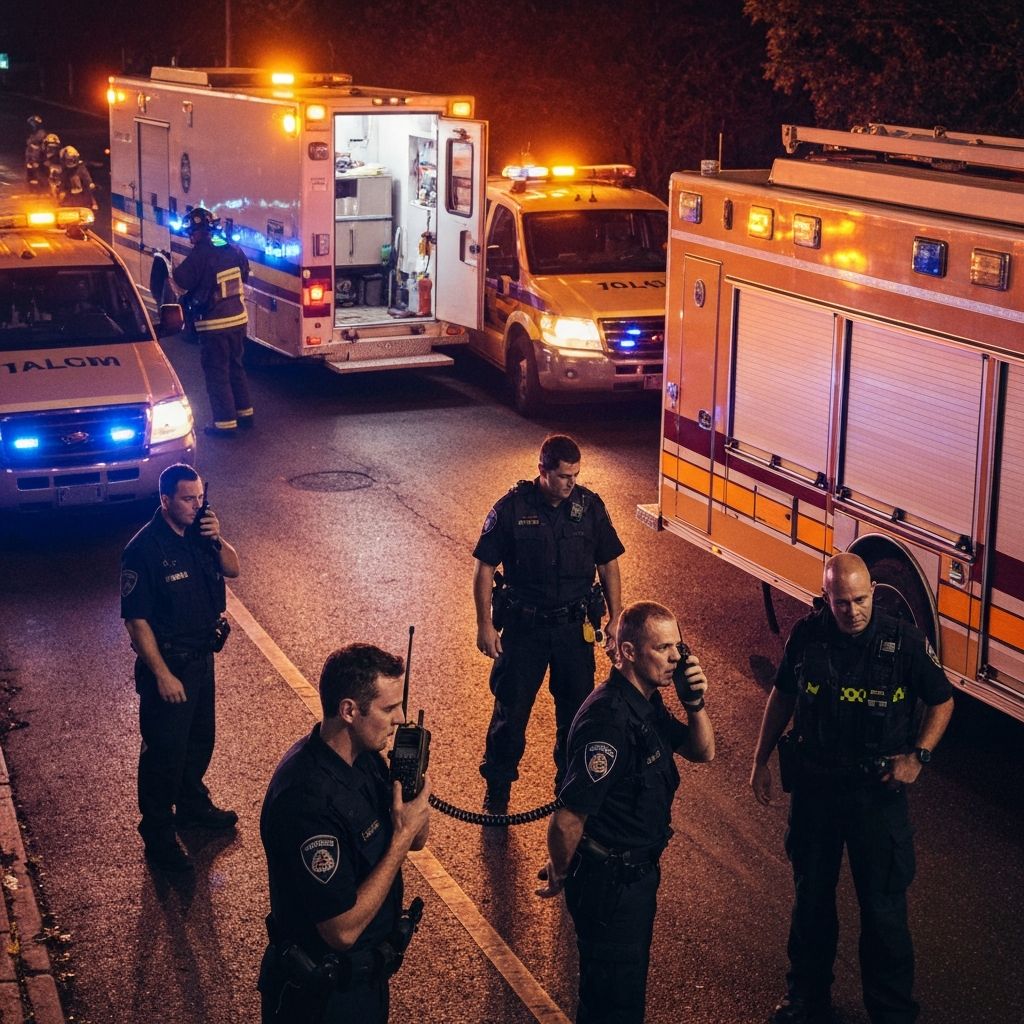
Accelerate Next-Generation 911 Infrastructure
"America's 911 system runs on infrastructure designed before the internet existed. Approximately 6,000 public safety answering points nationwide still depend on legacy analog and TDM-based selective routers that cannot process text messages, photos, video, or precise GPS location data. The estimated national cost to complete the transition: $9.5 billion to $16.1 billion over ten years. Total dedicated federal funding ever appropriated for NG9-1-1: approximately $109 million — roughly one percent of the estimated need. The NG9-1-1 transition replaces legacy analog 911 with an Internet Protocol-based system capable of receiving, routing, and processing multimedia emergency communications. The core technical components include Emergency Services IP Networks (ESInets) connecting PSAPs, i3-compliant call handling equipment, GIS-based dynamic call routing replacing static tabular databases, cybersecurity infrastructure for IP-based emergency networks, and workforce retraining for PSAP operators managing new multimedia and data capabilities. Bipartisan federal frameworks now provide the strongest eligible-use pathway for NG9-1-1 funding through remaining BEAD amounts — with explicit match requirement exemptions, dedicated certification requirements, and NTIA oversight through the Associate Administrator for Public Safety Communications. State broadband offices that build NG9-1-1 coordination into their remaining-funds action plans position themselves as essential state infrastructure agencies, not temporary grant administrators. This play provides a complete subgrant program design for statewide ESInet deployment, PSAP modernization, and the governance architecture required to meet emerging federal certification requirements."
Accelerate Next-Generation 911 Infrastructure

Equip Libraries as Information Resilience Hubs
A policy brief and implementation framework for transforming public libraries into hardened emergency response infrastructure. Covers library disaster preparedness, community resilience hubs, backup power for libraries, redundant broadband connectivity, FEMA Disaster Recovery Centers, and emergency shelter operations. Includes analysis of federal funding pathways including BEAD (Broadband Equity Access and Deployment), Stafford Act eligibility, and Library Services and Technology Act provisions. Details generator installation, Wi-Fi 6 infrastructure, UPS systems, and ADA-compliant shelter design for library facilities. Addresses emergency management coordination, state MOU frameworks, CERT training for library staff, ICS/NIMS certification, and Red Cross shelter partnerships. Includes real-world case studies from Hurricane Harvey (Harris County and Houston Public Libraries) and Hurricane Michael (Bay County Public Library, Panama City Florida). Features cost estimates, grant program design, risk mitigation strategies, and talking points for governors, state legislators, and congressional delegations. Relevant to: library directors, state library agencies, emergency managers, FEMA regional offices, broadband planners, resilience officers, county administrators, public health officials, climate adaptation planners, and state/federal policymakers working on disaster preparedness, community anchor institutions, digital equity, and critical infrastructure hardening.
Equip Libraries as Information Resilience Hubs
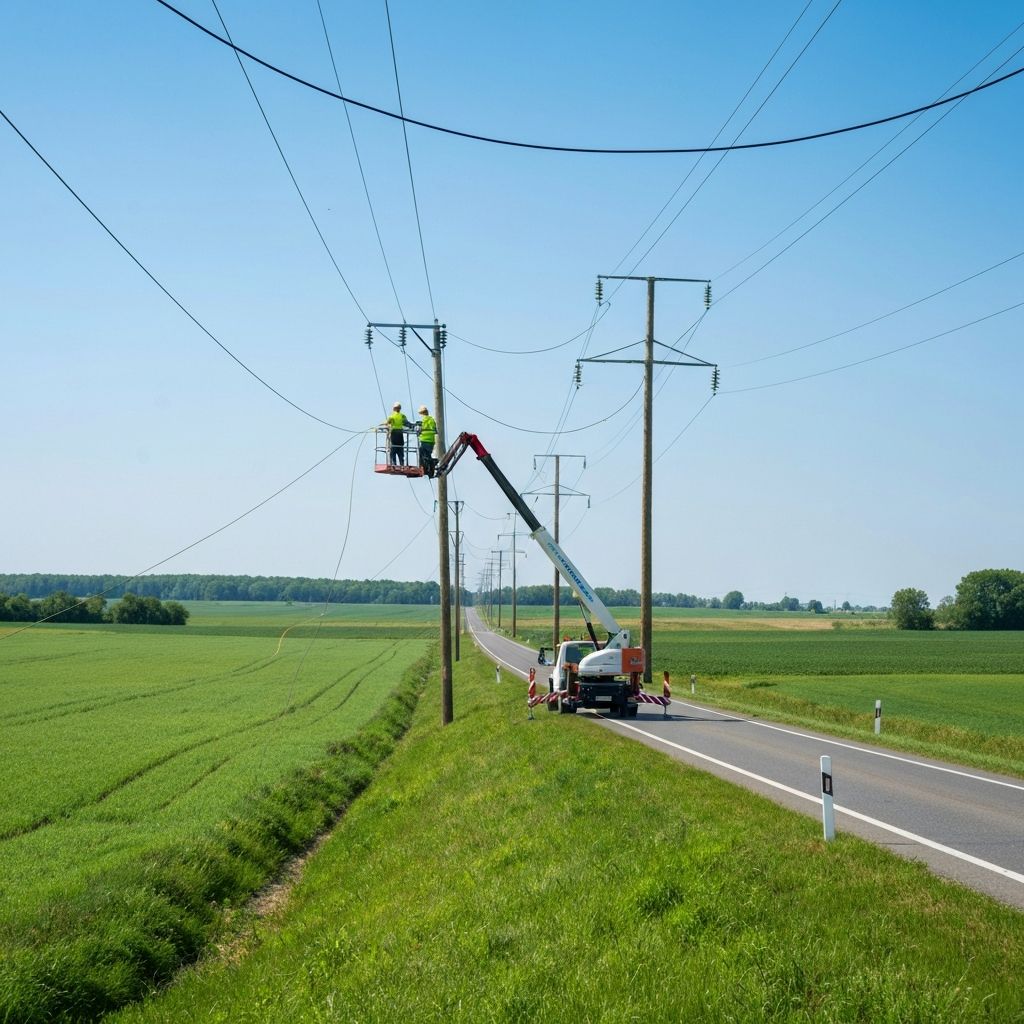
Deploy Open Access Middle Mile Fiber Networks
Middle mile fiber is where networks connect to the internet's core — the backbone linking last-mile providers to regional exchange points, content networks, and the global internet.
Deploy Open Access Middle Mile Fiber Networks
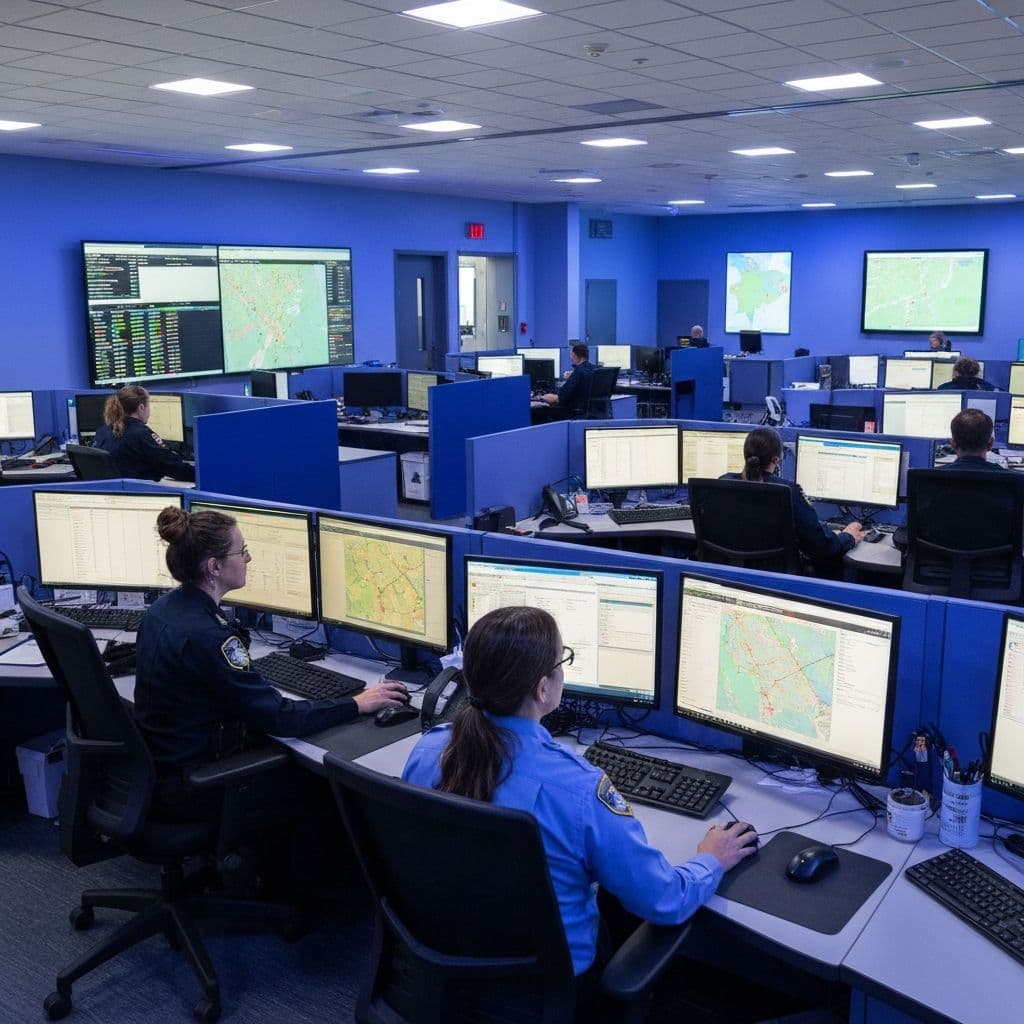
Harden Emergency Communications Infrastructure
A comprehensive framework for Public Safety Answering Point (PSAP) hardening that ensures 911 systems remain operational during disasters and cyber incidents. The strategy integrates 96-hour backup power systems, multi-path network redundancy, disaster-resistant facility construction, and cyber-isolated infrastructure to eliminate single points of failure. Using proven implementations such as North Carolina’s statewide PSAP resilience grant program, the model outlines competitive funding, engineering standards, and commissioning tests to modernize emergency communications infrastructure and support Next Generation 9-1-1 (NG9-1-1). Designed for state broadband offices, emergency management agencies, and public safety leaders, the approach strengthens critical infrastructure resilience, cybersecurity protection, and disaster-ready emergency response capabilities.